Hochul’s Congestion Pricing ‘Pause’ Kicks Transit Fixes to the Next Crisis
The $40-billion suite of subway and bus fixes cooked up by former New York City Transit President Andy Byford is finally on death’s door thanks to Gov. Hochul’s “indefinite pause” of congestion pricing.
MTA officials on Wednesday revealed plans to put off $16 billion worth of capital spending due to the gaping budget hole left by Hochul’s abandonment of the tolls, which had been set to launch this Sunday and help raise $15 billion for the capital improvements proposed by Byford after the 2017 “Summer of Hell” exposed the consequences of years of deferred maintenance and neglect.
The capital crunch was expected after the Gridlock Gov kiboshed the traffic toll, but the scope of the MTA’s announcement was still staggering — amounting to an “indefinite delay” of nearly every commitment New York leaders made to the transit system.
MTA Deputy Chief Development Officer Tim Mulligan offered a litany of projects the MTA has to put on ice until the governor finds money to replace the congestion-toll-that-wasn’t.
The list that went well beyond the previously reported pause on work on the Second Avenue Subway, which accounted just for $5 billion of the deferred work. The other $11 billion in deferred construction includes:
- $3 billion in upgrades to the MTA’s 90-year-old signaling technology, the signature policy shift put forward by Byford after the “Summer of Hell”
- $2 billion in station accessibility improvements the MTA committed to as part of its settlement of a decade-long legal battle over the authority’s lack of ADA compliance
- $1.5 billion for new subway cars and commuter rail cars.
- $500 million for electric buses, compounding the air-quality impact of canceling a toll that was partly designed to improve the environment
Accessibility, new signals, new train cars and buses were all hallmarks of Byford’s $40 billion “Fast Forward” plan in 2018. Byford’s blueprint served as the basis for the 2020-2024 capital plan, the largest in MTA history.
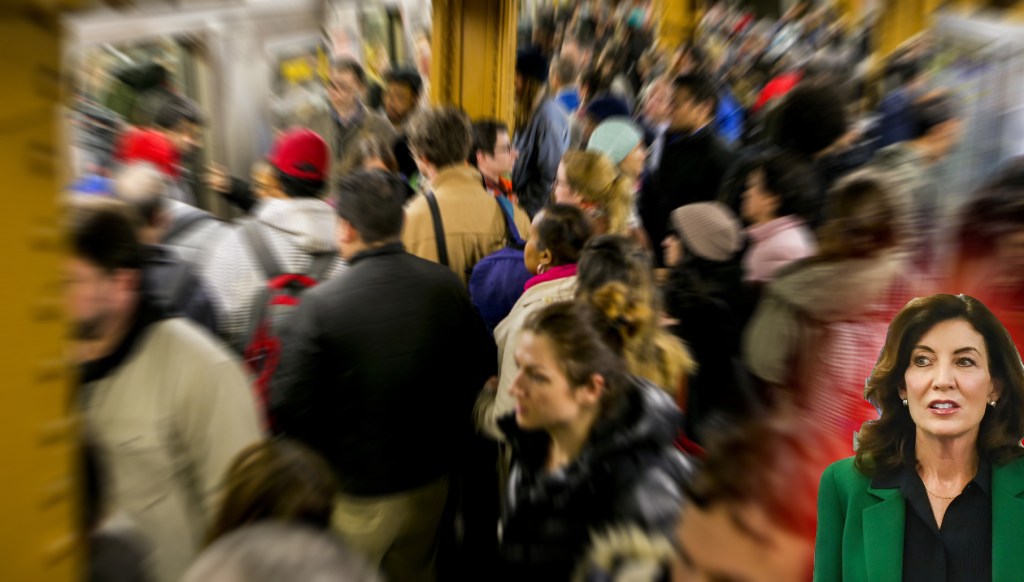
The imported British transit exec used the costly plan to re-inspire a public rattled by the previous year’s morass of delays, derailments and headlines — including a video of people desperately jamming their hands between the doors of a steaming hot subway car that had been stranded for an hour.
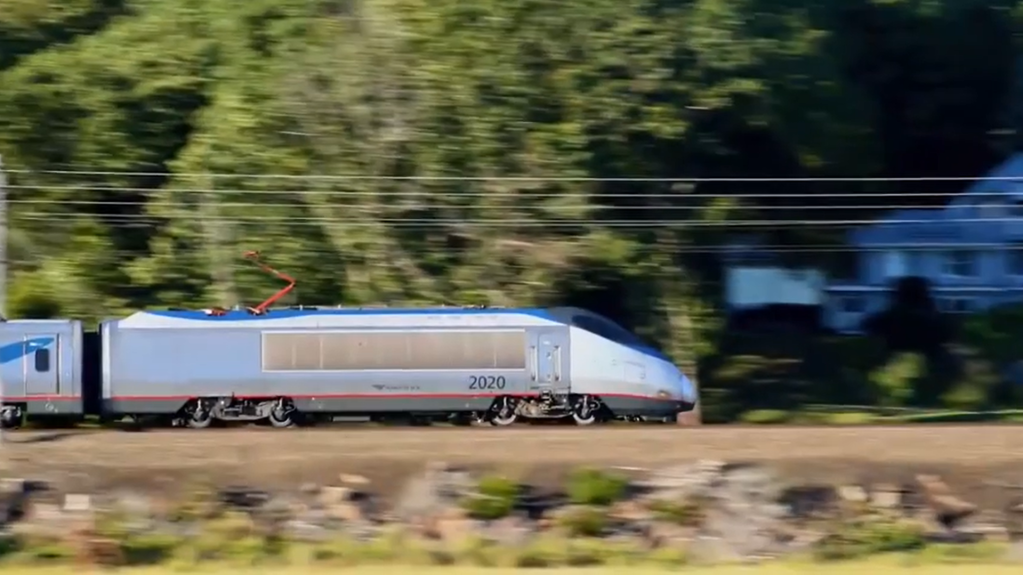
Byford sold the plan to New Yorkers with inspiring videos like this one:
“We know the transit system today isn’t what it should be,” Byford told New Yorkers. “We’re making a promise to you today — and we want you to hold us to it.”
With that plan on the skids, not only is another “Summer of Hell” lurking in the future, but there’s no one to hold accountable, as the MTA rubber-stamped Hochul’s pause at its board meeting on Wednesday.
Scenes of delays and derailments and hands may not repeat themselves next week or even next year, but the purpose of Fast Forward was to avoid them 10 or 20 years down the line — by modernizing subway cars prone to breakdowns, scrapping unreliable signals that stranded riders between stations and expanding subway access to all New Yorkers regardless of mobility issues.
Instead, by removing central pieces of the plan intended to inspire confidence in the MTA — things like elevators, subway cars and the decades-old signal system that became a locus of public frustration — Gov. Hochul threatens the riding public with the possibility of more pain.
According to officials, Hochul’s pause means 23 subway stations won’t get new elevators. Four hundred and thirty-seven subway cars that were supposed to replace nearly 40-year-old R68 subway cars are also on the chopping block. Modern signal tech won’t reach east Brooklyn. More gas-guzzling buses will run past their recommended lifespan before being replaced by electric buses.
Old equipment getting run into the ground was how New York found itself turning to Byford in the first place, and is a future New York is staring at now. The former New York City Transit president, now with Amtrak, urged New Yorkers to keep the faith.
“The Fast Forward plan we created in 2018 is as necessary today as it was then — even more so with the elapse of time,” Byford told Streetsblog on Wednesday. “Our plan, now part of the broader MTA Capital Plan, set out what needs to be done to give New Yorkers the fully modernized, fully accessible transit system they need and deserve in an unprecedented timeframe.
“I’m confident that common sense will prevail and that a way will be found to enable subway re-signaling, bus transformation and accessibility upgrades to still go ahead,” he added. “Hang in there, New York, you can do this!”
Even with its Fast Forward-infused 2020-2024 capital plan, the MTA was gearing up try to make another hyper-speed leap into the modern age with a 2025-2029 capital plan based on the 20-Year Needs Assessment the agency put out last year. That plan, while lacking an inspiring YouTube video, does have a pretty website that lays out a stark truth: The transit system still has extremely pressing needs and tons of rust that decades of unserious stewardship allowed to pile up.
That plan is currently unfunded.
Hochul’s decision — and inability to provide a viable funding alternative — leaves the New York region stuck in a world where the necessary work of one capital plan may have to be swallowed by the necessary work of the next capital plan. Things the city needs right now may not happen for a decade.
For five sweet years, the MTA’s finances were more stable than ever before in history. The pre-2019 cycle of uncertainty and deferred visions for improvement is back on the menu.
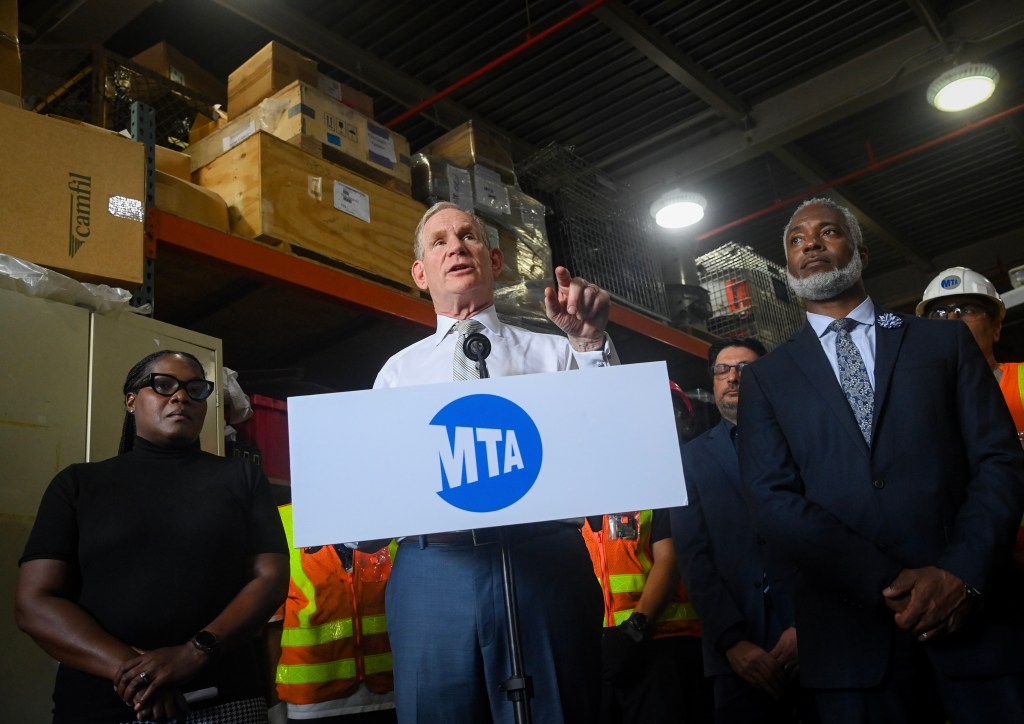
“We’re turning the clock back, and what sort of beats me down is the predictability of the whole thing,” MTA board member Norman Brown told his colleagues at Wednesday’s meeting.
“You’re going to get older equipment out there, and then you’re going to have to drag people to work when they don’t want to be at work in emergency situations.”
The summary word he used was “catastrophic.”
MTA CEO Janno Lieber reached back to the era of when he sang children’s songs.
“We feel … that when that financial solution that is being talked about arrives, God willing, that we will be ready to put Humpty Dumpty back together again as soon as possible,” he said, likening the MTA’s fiscal state to the fairy tale about an anthropomorphic egg who loses his balance while sitting on a wall only to be smashed to many pieces. “We can’t give up hope and plan for a permanent deferral because clearly there is a lot of discussion going on about keeping these projects going and we want to be ready.”

Read More:
Streetsblog has migrated to a new comment system. New commenters can register directly in the comments section of any article. Returning commenters: your previous comments and display name have been preserved, but you'll need to reclaim your account by clicking "Forgot your password?" on the sign-in form, entering your email, and following the verification link to set a new password — this is required because passwords could not be carried over during the migration. For questions, contact tips@streetsblog.org.