Hudson Sets Itself Up For A People-First Rezoning
The map is mightier than the motor.
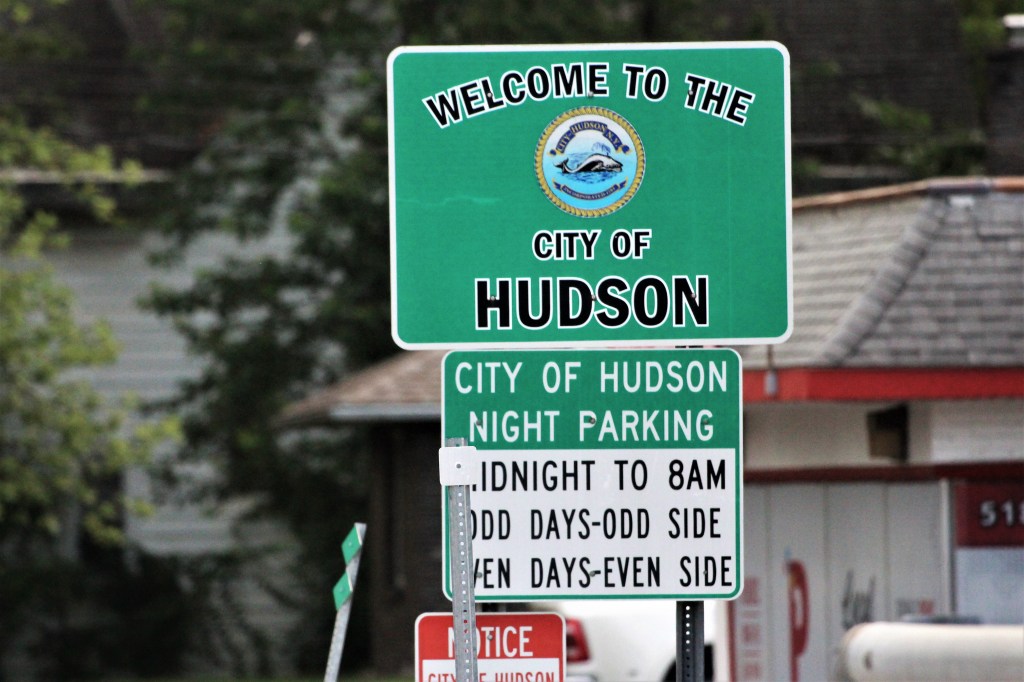
The city of Hudson in Columbia County wants to strip away its car-first infrastructure on the bet that pedestrian-friendly streets will better serve its compact and historic street grid and encourage housing development.
“Because it is a city that predates the car, it’s actually very compact, it’s very walkable already and it’s quite dense for the size,” Celeste Frye, co-founder of Public Works Partners, which prepared the plan, told Streetsblog.
The effort to modernize the local grid places the popular Hudson Valley destination at the forefront of a statewide movement to revamp municipal codes that predate the floppy disk.
“Hudson 2035,” the city’s first comprehensive zoning change since 2002, arrives as the trendy enclave faces an uncomfortable contradiction: Hudson has become a magnet for downstate urbanites in search of second homes, yet its car-first layout has choked local vibrancy and failed to serve full-time residents.
Between 2010 and 2020, Hudson’s population declined by 12 percent, and its Black population plummeted by 39 percent. Median household income dropped to roughly $48,000, well below the countywide figure, nearly one-quarter of residents still live below the poverty line and median asking rents far exceed local wages.
All the while, a staggering one-quarter of the city’s housing essentially sits vacant by functioning primarily as seasonal properties.
“I think, too often with these types of plans, they end up sitting on the shelf and just collecting dust until the next time we go about it,” said Hudson Mayor Joseph Ferris. “I don’t want that to happen, and I think it’s not only, kind of, a people-centered zoning, but a people-centered perspective on how a city should be designed, not just beyond zoning, but when it comes to street infrastructure and sidewalks. I think it really lays out a good kind of starting point for implementing those types of policies.”
In other words: Hudson’s plan, passed last October, correctly treats transportation and housing as fundamentally intertwined.
This strategy has already seen some success. In 2019, Hudson eliminated citywide parking minimum requirements, removing onerous and costly rules that required residential and commercial developers to build a set number of off-street parking spaces. has already achieved some success with this strategy. And a 2022 parking study found that most public parking in Hudson is located on-street and that overall parking supply is more than sufficient.
“Hudson 2035” doubles down on the city’s parking strategy. Rather than building new parking lots, the plan recommends monitoring demand and expanding parking only when future growth demonstrates a clear need.
“Part of the mid-20th century zoning were these parking minimums that mandated that if you’re building housing, every housing unit has to have one or two parking spaces,” Frye said. “That has caused the development of housing to be more expensive, and it causes it to eat up more land.”
The rezoning instead proposes to manage existing parking more efficiently, using rear alleys, perimeter parking areas and other underutilized spaces while exploring alternatives such as a downtown shuttle.
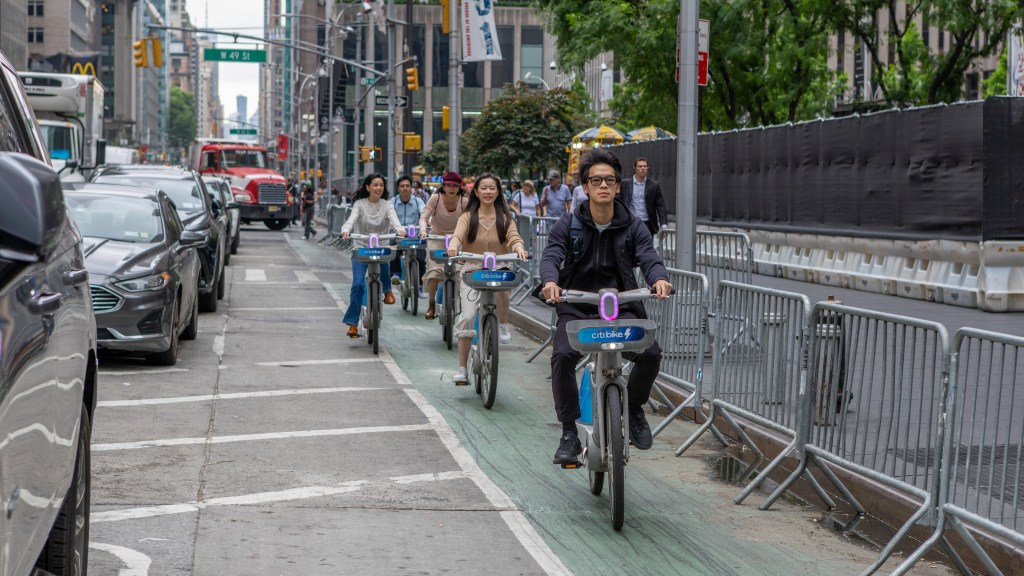
“Hudson 2035” calls on the city to make all of Hudson safely accessible by foot and bicycle by incorporating street redesigns into routine reconstruction projects, rather than treating them as separate initiatives. Policymakers want crosswalks, bicycle facilities, signage and other safety features to become standard components of any future roadway reconstruction work.
The plan also recommends establishing routes that direct heavy commercial vehicles away from residential streets. This reflects another reality in Hudson: More than 4,000 workers commute into the city each day, while fewer than 600 both live and work within city limits. The resulting car traffic places pressure on streets that were never designed to function as regional trucking corridors.
The plan recommends expanding “open-street” programming on Warren Street, the city’s main commercial spine. Officials say more pedestrian-focused events, improved streetscape amenities and public-space improvements will encourage more walking and lingering rather than simply moving cars through the corridor.
The transportation vision extends beyond its historic downtown.
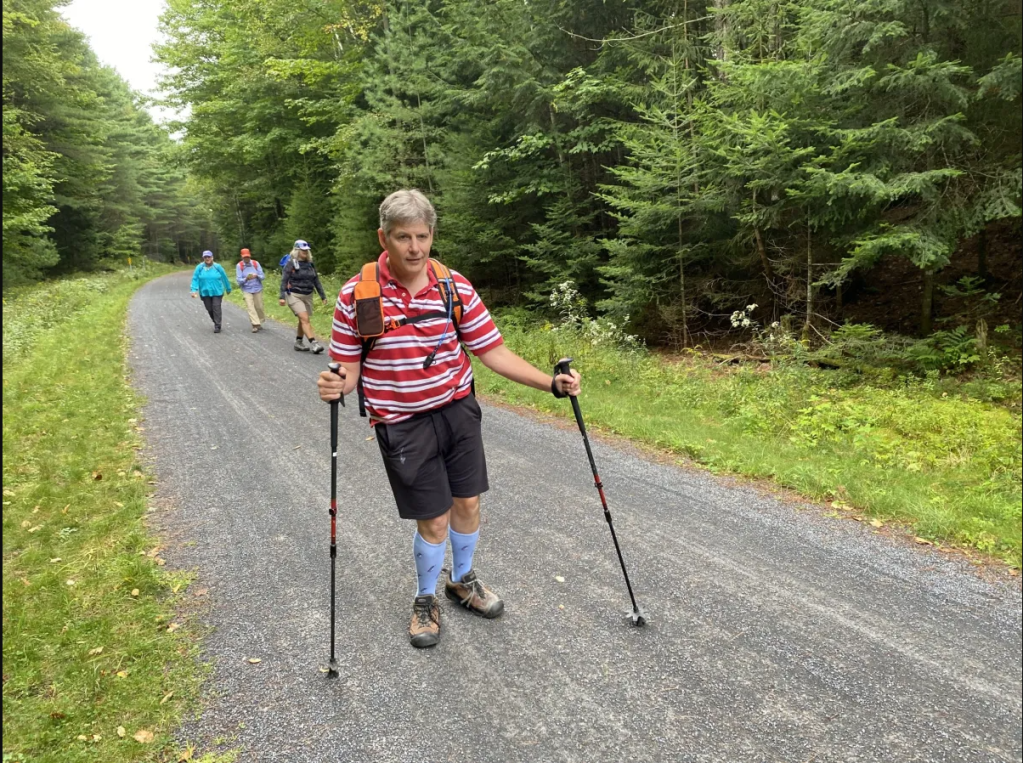
“Hudson 2035” proposes building stronger connections between parks, trails and open spaces through a network of green infrastructure corridors. At the center of that effort is the Dugway Trail-Harry Howard Mixed-Use Path, a 1.6-mile segment of the Empire State Trail that links Hudson with neighboring Greenport.
Officials hope future trail connections can use that corridor as a backbone, connecting neighborhoods to parks, open space and recreational destinations while also improving non-automobile mobility.
Whether Hudson can achieve its stated goals remains an open question. Comprehensive plans are easy to adopt and much harder to implement. The document’s recommendations include zoning changes, housing initiatives, anti-displacement policies, trail investments, accessibility upgrades and administrative reforms that could take years to complete.
Walkable neighborhoods, mixed-use development and reduced parking requirements all help lower the total cost of living by reducing transportation expenses while creating opportunities for additional housing, Frye said.
“One of the things that’s really important to the city of Hudson is to try to add more housing that is accessible and affordable for longtime residents without adding to the kind of vacation rental and second home stock that they currently have,” Frye said.

Read More:
Streetsblog has migrated to a new comment system. New commenters can register directly in the comments section of any article. Returning commenters: your previous comments and display name have been preserved, but you'll need to reclaim your account by clicking "Forgot your password?" on the sign-in form, entering your email, and following the verification link to set a new password — this is required because passwords could not be carried over during the migration. For questions, contact tips@streetsblog.org.