OPINION: Anti-Racism Ads Can’t Hide the Ugly Reality Behind Uber

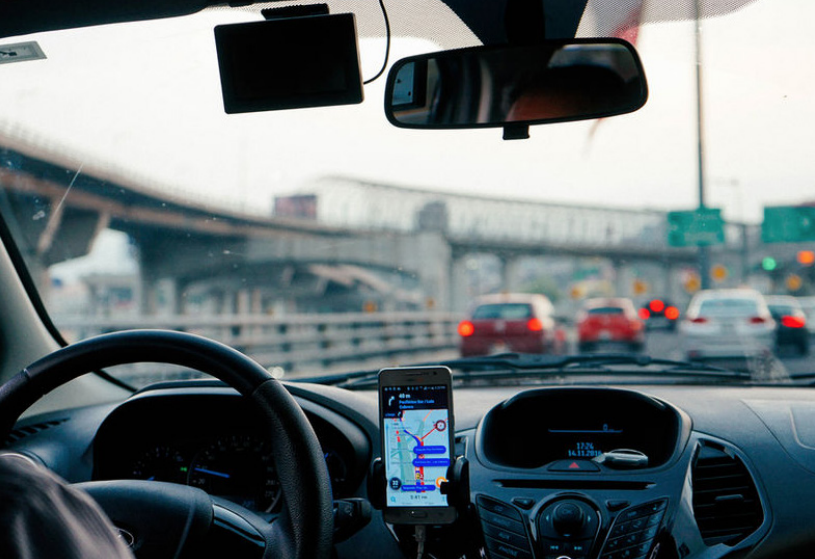
Uber recently rolled out a slick marketing campaign in cities across the country, putting up billboards that say, “If you tolerate racism, delete Uber.” The campaign struck me as cynical, coming as it did just a few weeks after the company had threatened to halt service in California if the state forced it to classify its drivers as employees. (The threat worked, giving Uber more time to evade the mandate.)
The change would have entitled Uber drivers to healthcare, a minimum wage, and on-the-job discrimination protections — all of which I didn’t have when I drove for Uber. Driving for Uber, I learned that Uber doesn’t just tolerate racism; it is part of a system that pursues profit at the expense of working-class, Black and brown people like me, who are a growing share of Uber’s workforce.
The recent showdown in California came thanks to Assembly Bill 5 (the “gig economy law”) and a state legislature that knows Uber isn’t a business partner to working-class, Black and Brown people, but a company whose business model exploits them. We need our lawmakers in Albany to follow Sacramento and pass a similar law classifying Uber drivers as full-time employees — and I intend to fight for such a law when I’m elected to the Assembly this fall.
Guaranteeing drivers in New York a minimum wage, discrimination protection, and healthcare is how we begin to wrestle control from this multi-billion-dollar company into the hands of working-class people. The change could open the door for a driver’s union, put an end to many of Uber’s predatory practices, and it could guarantee the basic income Uber drivers seek.
I started driving for Uber in 2015, when I was 25. I was looking for a way to cover my expenses while going to nursing school full time. The answer came in the form of an advertisement I saw while driving past LaGuardia College: “Uber: no shifts, no boss, no limits.” Uber promised freedom to work how I wanted, while maintaining the flexibility to do whatever else I needed to do. In my Taxi and Limousine Commission class, I met plenty of other drivers who were excited that they were finally going to be able earn a decent living on their own time. Uber claimed it was going to be our “partner” while we managed our own business.
But Uber was far from being our “partner.” Instead, Uber often took advantage of people like me who were desperate for flexible work. To start, the promised $2,000 sign-on bonus was a lie. The bonus was almost impossible to obtain because, in order to qualify, I had to drive and pick up passengers during certain times and at specific locations — which was out of my control because the Uber app dictated where I had to go.
Uber also didn’t disclose to drivers how much the company would take out of the fare until after we started a ride. Besides taxes and fees, Uber took 30 to 32 percent of each ride — leaving me with little after each fare. Uber likes to tout that many drivers own their vehicles, but it’s not so. Most cars bearing Uber TLC plates are rentals. I didn’t own my Uber business; instead, I was paying a whopping $429 a week for car-rental fees just to make ends meet.
Beyond the financial hole driving for Uber dug for me, driving as a Black woman was incredibly difficult. Harassment was commonplace with Uber. During my driver orientation, I witnessed Uber employees being sexually accosted by other drivers. Nothing was done. I was harassed by passengers on more than one occasion. When I complained, I was told that the platform guarantees safety, so I should just keep driving. During the year (off and on) I drove for Uber, I never felt safe because I knew that Uber rarely kicked passengers off the platform. Drivers, on the other hand, could be punished or suspended for many reasons.
Uber’s push for profit has come at the expense of drivers in New York City and across the country. No matter its public relations, Uber doesn’t care that it has lured many Black and brown drivers with false promises — only to profit off them. Uber takes so much from its driver and gives back nothing; the investors are the only winners.
If Uber really wants to help fight racism, it should spend less money on public-relations campaigns and more on the Black and brown drivers who work for it.
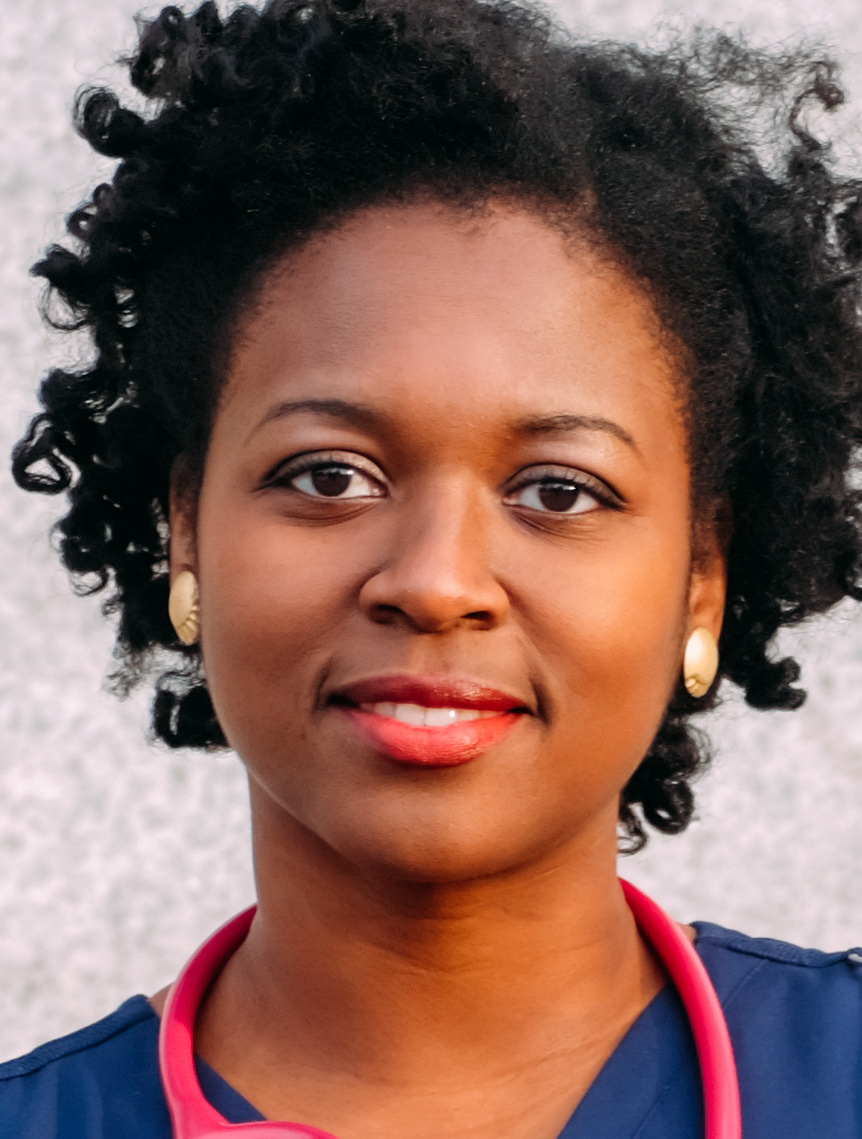
Phara Souffrant Forrest (@phara4assembly) is the Democratic nominee for the 57th Assembly District, including Prospect Heights, Fort Greene, Clinton Hill, and parts of Crown Heights and Bedford-Stuyvesant. She is facing no GOP challenger and will almost assuredly be elected on Nov. 3.

Streetsblog has migrated to a new comment system. New commenters can register directly in the comments section of any article. Returning commenters: your previous comments and display name have been preserved, but you'll need to reclaim your account by clicking "Forgot your password?" on the sign-in form, entering your email, and following the verification link to set a new password — this is required because passwords could not be carried over during the migration. For questions, contact tips@streetsblog.org.