OPINION: Good Infrastructure Means Maintenance Maintenance Maintenance
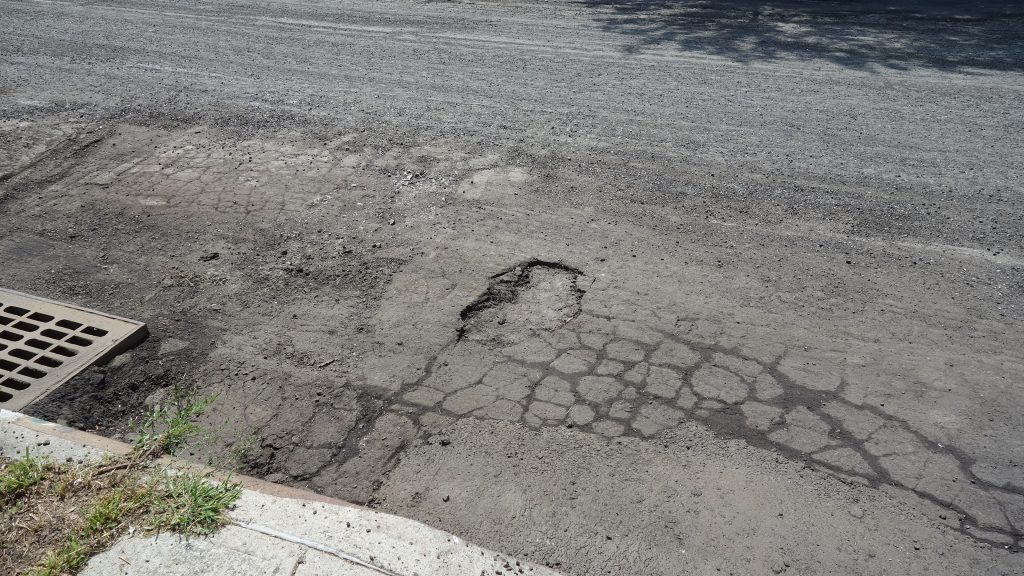
Engineers developed the concept of perpetual pavement in the 1990s. If designed
properly, cracks would form at the surface, where they could easily be seen, and any
damage to the lower layers would be so small as to be insignificant. Just replace the
damaged surface layer and the pavement could last indefinitely.
But this is not build it once and walk away. Perpetual pavements work because they
automatically adapt to changing conditions. When there is increased damage due to
heavier loads or extreme weather, the pavement lets you know; it begins to crack.
Deferring repairs causes the cracks to go deeper and the damage becomes too great
for the pavement to last. Where the process is followed, perpetual pavements have
succeeded. But in places where maintenance has been deferred, the results are what
we would expect: rougher roads, more damage and more costly repairs. Resilient infrastructure only works when there is a focus on maintenance.
It would appear to be easier to make infrastructure last longer on sidewalks and bicycle
paths, as the expected loads are reduced. While this is true in theory, they are typically
built to a thinner section with a lifespan not dissimilar to a mainline road, and they
require maintenance just like roads and streets.
Weather is an additional complication and one of the most crucial factors affecting the
life of any infrastructure. Floods, blizzards, droughts and other extreme events can
cause damage if they are not planned for in the initial design.
If we want our infrastructure to be resilient and to last, maintenance must be a priority.
We need to celebrate the restriping of lines that help keep bikes, pedestrians and
motorists in their respective lanes. We need the big sign touting the work being done to
include storm sewer maintenance funding. We need to focus on keeping good
infrastructure in good shape.
When there is pressure to stretch limited budgets, we defer maintenance. We justify this
by saying, “One more car can go down that road. A bicycle can still make it over that
rough section of path. A sidewalk does not have to be ‘that smooth.’”
That deferral costs more, but it is hard to see. Waiting only two or three years can
increase the cost of needed maintenance by more than a factor of three or four. A
$10,000 repair can suddenly be $40,000. And that is just the cost of repairs, not the
costs for walkers, bikers and drivers.
We expect streets, sidewalks, bike paths and all infrastructure to last indefinitely. Ask
yourself what the cost is to maintain what you have, the cost to upgrade and the costs
to your community when we fail to do these things.
If we want infrastructure to last, we need to be ready to put the funds where they will do
the most good; we need to prioritize maintenance. We must design for the long run,
build to the highest standards, maintain what we have and be ready for change. If we do
those things, we can adapt infrastructure to withstand almost any change.
We need ribbon-cutting ceremonies for bridge washing, crack repairs and tree trimming
in the local park. We need to celebrate and value the maintenance work that we all take
for granted.

Read More:
Streetsblog has migrated to a new comment system. New commenters can register directly in the comments section of any article. Returning commenters: your previous comments and display name have been preserved, but you'll need to reclaim your account by clicking "Forgot your password?" on the sign-in form, entering your email, and following the verification link to set a new password — this is required because passwords could not be carried over during the migration. For questions, contact tips@streetsblog.org.