Opinion: What Subway Riders Need to Know 90 Days into the Congestion Pricing ‘Pause’

Today is exactly 90 days since Gov. Hochul defunded the MTA by $16.5 billion with her congestion pricing “pause” — and she still has no plan to fix it. (“Trust Me” is not a plan.)
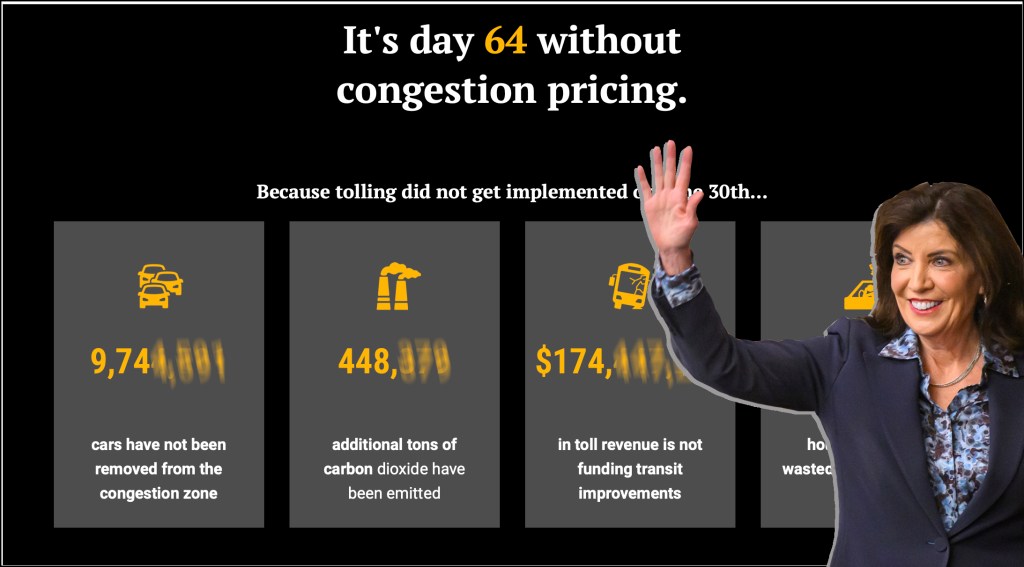
In the time since congestion pricing was set to begin, Gov. Hochul’s pause has spewed an additional 457,000 tons of carbon into our air, cost New Yorkers a total of 2.6 million hours in traffic thanks to the nearly 10 million vehicles, more than 150,000 each day, that otherwise wouldn’t have crossed into the congestion relief zone, and perhaps most alarmingly: defunded over $175 million from our transit system.
My head, like those of many New Yorkers, has been spinning trying to keep up with the torrent of alarming news concerning the future of our transit system and rumors du jour of what’s next. Below, I break down what we knew as of June, new information that came to light at the MTA’s July board meeting, and what’s still up in the air.
What we knew
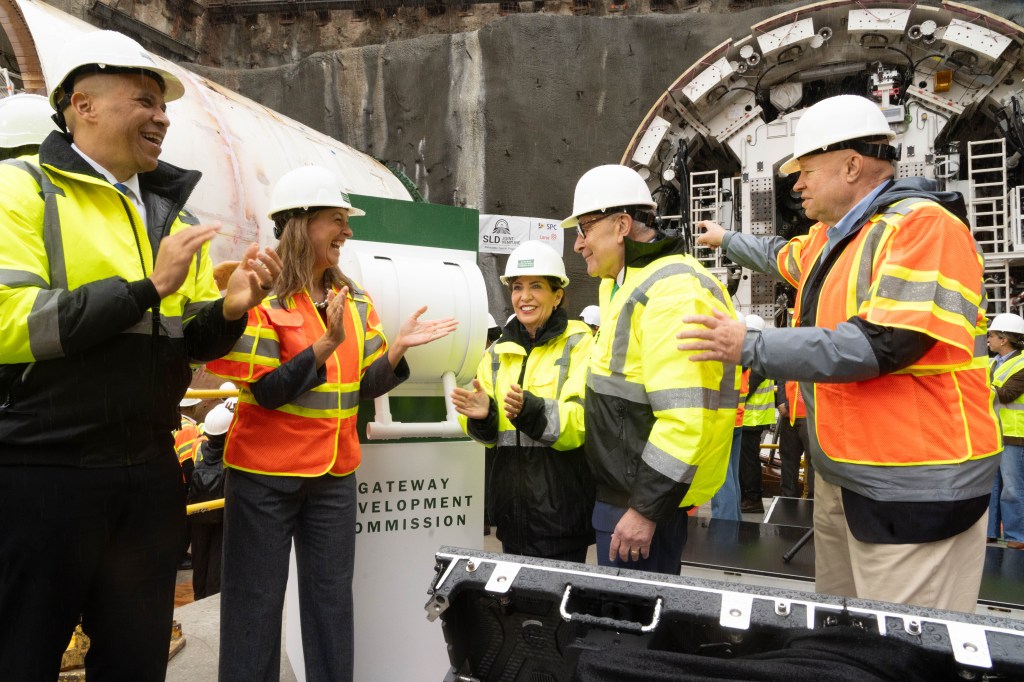
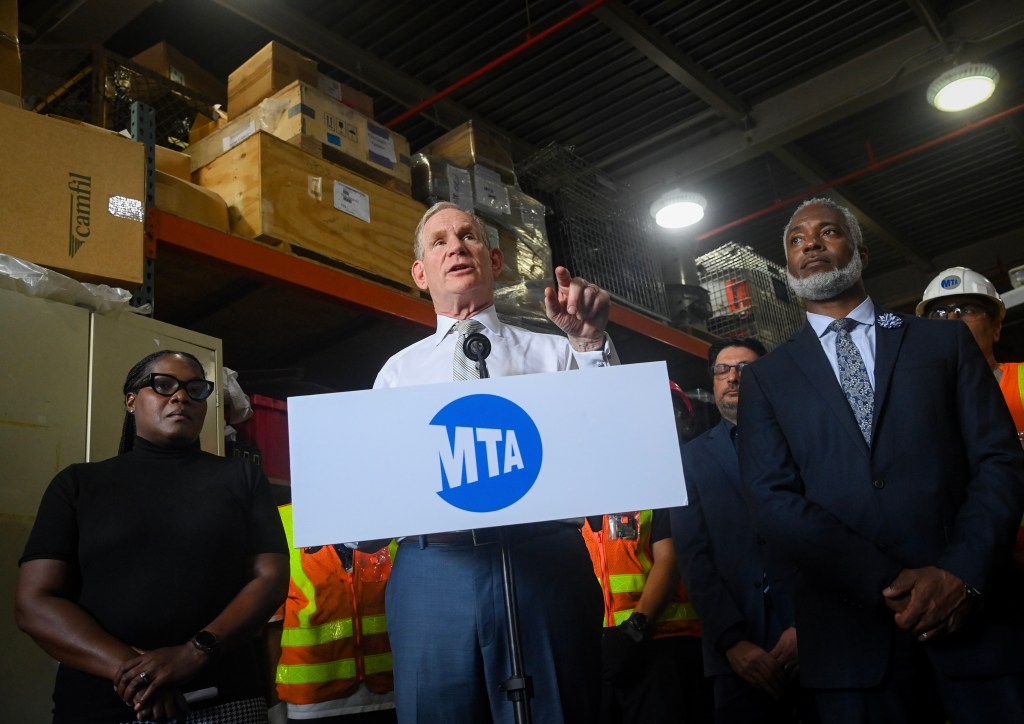
In June, following the “pause,” MTA Chair and CEO Janno Lieber announced that the MTA would “restructure, re-prioritize, and shrink” its ambitious construction plans, referred to as the MTA’s capital budget. This halted work on the Second Avenue Subway, accessibility at 23 subway and two LIRR stations across the city, and upgrades to Depression-era infrastructure on the A, C, B, D, F, and M trains that would improve service frequency and reliability.
The cost of Gov. Hochul’s pause also climbed from $15 billion to $16.5 billion because of the start-up costs associated with getting congestion pricing ready and the potential loss of $1 billion in federal grants. Those losses will only mount the longer Gov. Hochul’s pause continues — some estimate as much as $10 billion is at stake.
If we don’t have the funds to pay for our share of critical projects like new elevators, the Second Avenue Subway, and Interborough Express, the money will be sent to other states. This led to a series of increasingly bad ideas about how to fund the giant hole the governor blew in the MTA’s capital plan — after all, you can’t bond an IOU.
Gov. Hochul has insisted that the pause won’t affect contract awards, but it already has: you can’t award contracts with money you don’t have. This is just one of the 15 myths I dispel in our joint report with the New York Building Congress.
What’s new
Gov. Hochul found $54 million in the couch cushions to allow for utility relocation work on Phase II of the Second Avenue Subway to continue. It accounts for less than one-third of the original $181-million contract for this work, and just 0.36 percent of the investment congestion pricing would make possible. This piecemeal approach is not a serious way to fund the MTA.
Days later, at July’s MTA Board meeting, we learned about how Gov. Hochul’s congestion pricing pause could hurt the MTA’s ability to pay for the labor, gas, and electricity needed to actually run subways, buses, and railroads — the pot of money called the MTA’s operating budget.
In total, the pause will cost as much as $840 million in lost operating funds as the MTA will have to contend with maintaining more outdated equipment, slower buses, and fewer new transit riders. MTA leadership says they take Gov. Hochul — their boss — at her word and that she’ll find the money (what choice do they have?). If she doesn’t, officials will have to choose from a menu of unpopular actions to balance their budget: layoffs, service cuts, steeper fare hikes, or the most likely scenario: some combination of all three.
What’s next?
The ever-growing consequences of Gov. Hochul’s pause are well understood, but the timeline for when this fiasco may be resolved is anything but. Gov. Hochul claims she has been “massaging” alternative proposals, but legislative leadership in Albany has not engaged (well, not much) since Gov. Hochul’s disastrous Personal Mobility Tax increase for New York City and “I.O.U.” proposals fell flat at the end of the legislative session in June.
Overall, the outlook is bleak. It’s been almost three months since Gov. Hochul’s pre-taped announcement of her pause and we still have no start date and no viable alternatives that accomplish the core goals of congestion pricing, much less fund the transit millions of us depend on.
Gov. Hochul owes us a plan — a real plan that comes with all the benefits of congestion pricing. It’s time for her to face the music and the facts and provide a real path forward towards cleaner air, less traffic, and better transit. Gov. Hochul, millions of transit riders have a message for you: follow the law, unpause the pause, flip the congestion pricing switch to “on,” and get the MTA back on track.

Lisa Daglian is the executive director of the Permanent Citizens Advisory Committee to the MTA, the MTA’s in-house rider advocate and watchdog.
Read More:
Streetsblog has migrated to a new comment system. New commenters can register directly in the comments section of any article. Returning commenters: your previous comments and display name have been preserved, but you'll need to reclaim your account by clicking "Forgot your password?" on the sign-in form, entering your email, and following the verification link to set a new password — this is required because passwords could not be carried over during the migration. For questions, contact tips@streetsblog.org.