Swiss Miss: MTA Claims Neutrality in Pro-Congestion Pricing Lawsuits
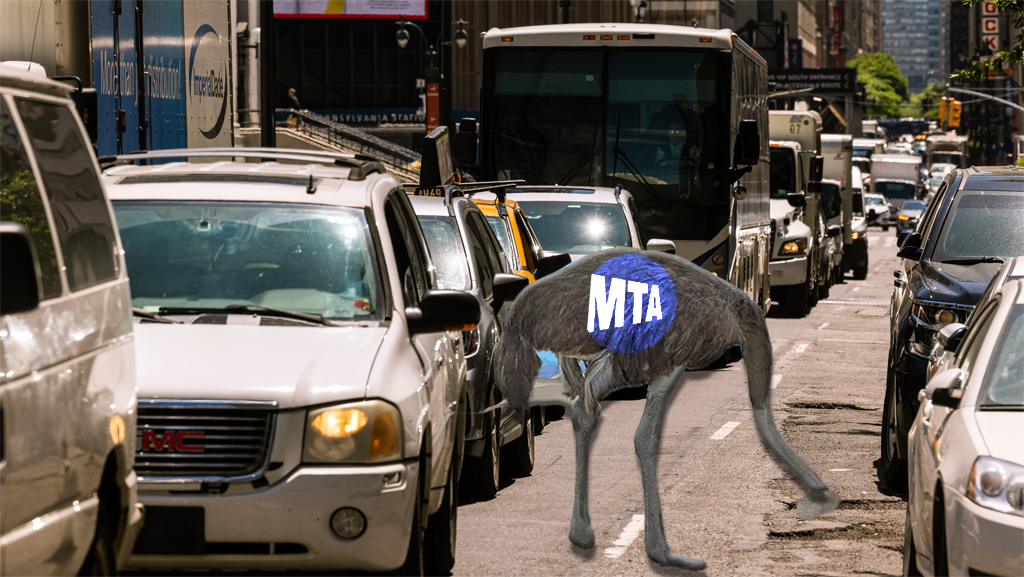
The governor has to go it alone.
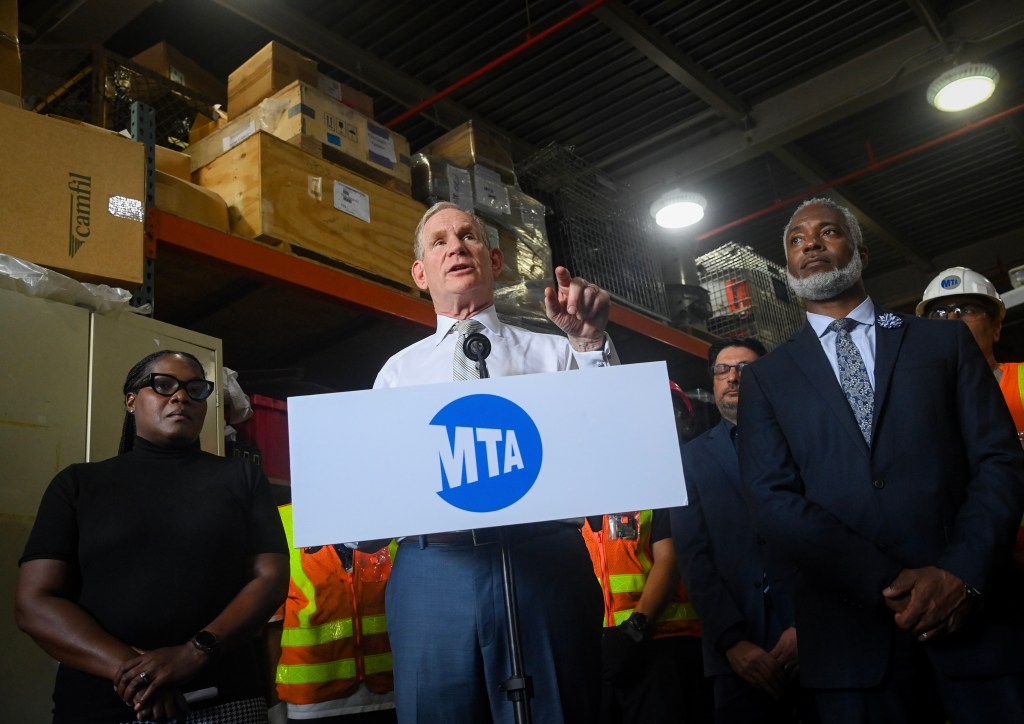
The MTA is sitting out the latest lawsuits aimed at restoring congestion pricing, according to an agency court filing.
For technical reasons related to state civil practice law, the MTA is a defendant in the suits asking a judge to force Gov. Hochul to end her congestion pricing pause. But the agency is expressing total neutrality as pro-congestion pricing plaintiffs and the gridlock governor’s lawyers duke it out in court.
“[We] respectfully … take no position on the merits,” the agency’s lawyer, Roberta Kaplan, wrote in a brief filed last Friday.
That neutrality is interesting, given that the agency, with the governor’s full-throated encouragement, was so eager to defend congestion pricing against New Jersey’s federal lawsuit.
“This lawsuit is seeking to block one of the nation’s most progressive climate actions, and we will not allow it to derail critical investments that the region deserves,” Hochul spokesperson John Lindsay said in October 2023 when the governor was still pretending to support congestion pricing.
The MTA’s involvement in that and other anti-toll lawsuits also helps explain why the agency is sitting on its hands this time — and highlights the bizarre situation in which the state and MTA find themselves.
“Our own attorney general refused to represent the state in this suit. The MTA isn’t so lucky as to stay out of it altogether, so their neutrality makes sense because of them being in this political mess,” said Reinvent Albany Senior Policy Advisor Rachael Fauss.
The MTA, of course, stands to either gain or lose $15 billion as a result of the pro-toll lawsuits brought by the City Club and the Riders Alliance, Sierra Club and New York City Environmental Justice Alliance, so the agency must legally be a “necessary party.” That, in turn, requires the agency to tell a judge something in response to being attached to the suit.
Certainly, it’s disheartening to advocates that the agency isn’t pulling a swerve on the governor by telling the court it agrees with the plaintiffs, it’s also notable that the agency isn’t endorsing the governor’s legal argument that she’s allowed to block the implementation of the traffic toll.
“It’s fair to say they’re not helping the governor in any way,” said Fauss.
An MTA spokesperson declined to comment, saying only, “The filing speaks for itself.”

Read More:
Streetsblog has migrated to a new comment system. New commenters can register directly in the comments section of any article. Returning commenters: your previous comments and display name have been preserved, but you'll need to reclaim your account by clicking "Forgot your password?" on the sign-in form, entering your email, and following the verification link to set a new password — this is required because passwords could not be carried over during the migration. For questions, contact tips@streetsblog.org.