Advocates Beg Gov. Hochul To Sign Bill Adding Cyclist Input To The MTA
Will she build a bridge to a better tomorrow?
Advocates and legislators are reminding Gov. Hochul to make good on her Twitter bio identifying herself as a lover of bicycling by signing a bill that would amplify the voices of cyclists and pedestrians at the MTA and, perhaps, drag the transit agency’s planning processes out of the 1980s.
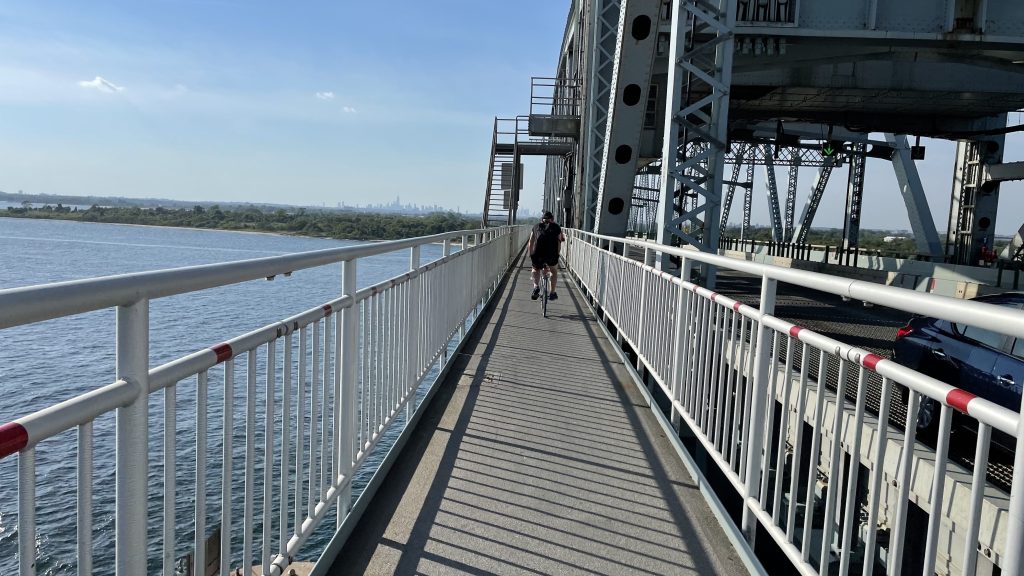
The bill, sponsored by Assembly Member Jessica Gonzalez-Rojas of Queens and state Sen. Alessandra Biaggi of the Bronx, would add pedestrian and cyclist advocates to the MTA’s ridership councils for New York City Transit, the Long Island Rail Road and Metro-North. Supporters hope those voices inside the organization will help the MTA think about cyclists as more than just two-wheeled nuisances who should be on the train. Currently, it is illegal to bike on any of the bike paths on the agency’s spans, which include the Triboro Bridge and the Marine Parkway Bridge, and the agency has not built bike paths on other key routes, such as the Verrazzano Narrows Bridge.
“New Yorkers are looking for sustainable, cleaner, and more accessible forms of transportation like cycling,” said Biaggi, whose bill passed the Legislature overwhelmingly earlier this year. “Signing our MTA Bike Access bill into law will provide New Yorkers with a holistic and wide-spread solution to make biking safe and accessible in every corner of the city.”
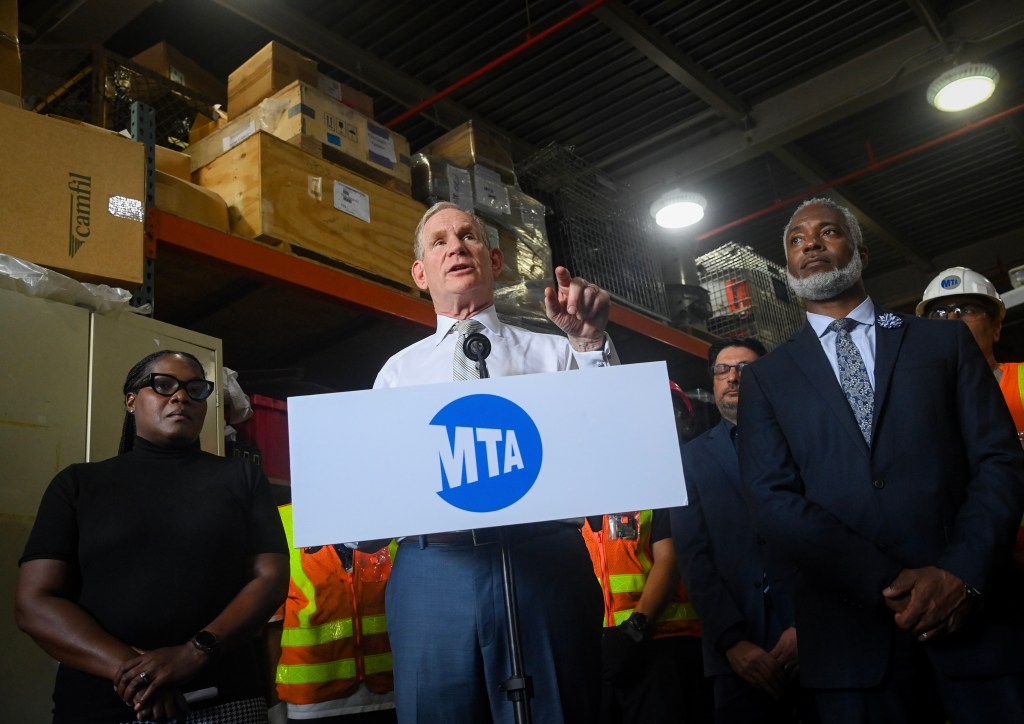
The agency has taken baby steps here and there, with things like eliminating the need for a specific bike pass people need to bring bikes onto LIRR and Metro-North trains, and running a one-year pilot program with Oonee that provides six secure bike parking spaces at Grand Central. But MTA Chairman and CEO Janno Lieber admitted that there is still much more for the MTA to do on the cycling and pedestrian front.
“Six bikes ain’t gonna change the world we all know,” Lieber said. “When you go to Europe, when you go to Amsterdam, and you’re right next to the train terminal there’s storage for hundreds of bikes. … I hope and fully intend that we’re going to grow our capacity because that last mile is really the link that makes mass transit possible so that people can get to the major terminals using bikes or scooters, or walking.”
On the flip side of Lieber’s comments, Moynihan Station was built without even any regular bike racks, much less secure bike parking. And the agency is still stuck in the Auto Age regarding even allowing cyclists to use its bridges.
“Agencies that manage bridges throughout the city and the state have figured out that their mandate includes a non-optional requirement to facilitate bike and pedestrian access on their crossings,” said Bike South Brooklyn co-founder Brian Hedden. “But the MTA is still an outlier, and still digging in their heels. They’re holding back mobility throughout the city.”
Insisting that cyclists stay off any of the agency’s bridges undermines the city’s own efforts to build safe bike connections to the Rockaway peninsula and also results in laughably over-engineered and ludicrously expensive proposals to give Staten Island a bike connection to the city. The resulting situation makes the MTA look no better than the state Department of Transportation, which recently proudly tweeted about widening a highway.
“The most sustainable urban mobility system you can build combines bikes and trains, and we in the North American capital of trains haven’t been doing it like that. You could leverage a lot of new subway access in the boroughs with secure bike parking — look how little of central and eastern Queens is covered by subways for example,” said Bike New York Director of Communications and Research Jon Orcutt. “And with bridges, everyone in the region, including the Port Authority, the state DOT and the city DOT has been building in bike capacity, except the MTA. In the policy sphere it’s like the MTA is in 1985
“The governor can mark the New York bike boom, the need for climate-friendly and low cost transportation options and a new approach to leadership on infrastructure by signing this bill,” added Orcutt.
A spokesperson for the governor did not respond to a request for comment.

Read More:
Streetsblog has migrated to a new comment system. New commenters can register directly in the comments section of any article. Returning commenters: your previous comments and display name have been preserved, but you'll need to reclaim your account by clicking "Forgot your password?" on the sign-in form, entering your email, and following the verification link to set a new password — this is required because passwords could not be carried over during the migration. For questions, contact tips@streetsblog.org.