Onondaga County Panel Wants Complete Streets To Actually Get Built

Onondaga County — well, the vast part outside of Downtown Syracuse — must become more bikeable and walkable by completely revising how roads get built and maintained, a new panel will recommend next week.
That’s a top recommendation of a citizens advisory board created earlier this year by the county legislature to ensure that as new housing is built across the sprawling upstate county, residents without cars can access jobs, food or medical care in ways that they currently cannot because sidewalks, bike lanes and bus service are nearly nonexistent outside the Syracuse.
“The vast majority of people do not currently have access to public transportation, walkability, bikeability, if they are not living in the city center which greatly limits where someone can live,” said Nicole Watts, the co-chair of the so-called Housing and Transportation Citizens Advisory Board.
The board’s most-concrete idea would bar county road funding unless a project actually accommodates cyclists and pedestrians. New York’s Complete Streets Act already requires state, county and local agencies to design certain state and federally funded projects with walkers, cyclists and transit riders in mind. But Watts said that requirement rarely leads to anything getting built. Part of the problem, she said, is structural: the county is responsible for maintaining its roads, but not the sidewalks on those roads, so many towns don’t want or maintain sidewalks.
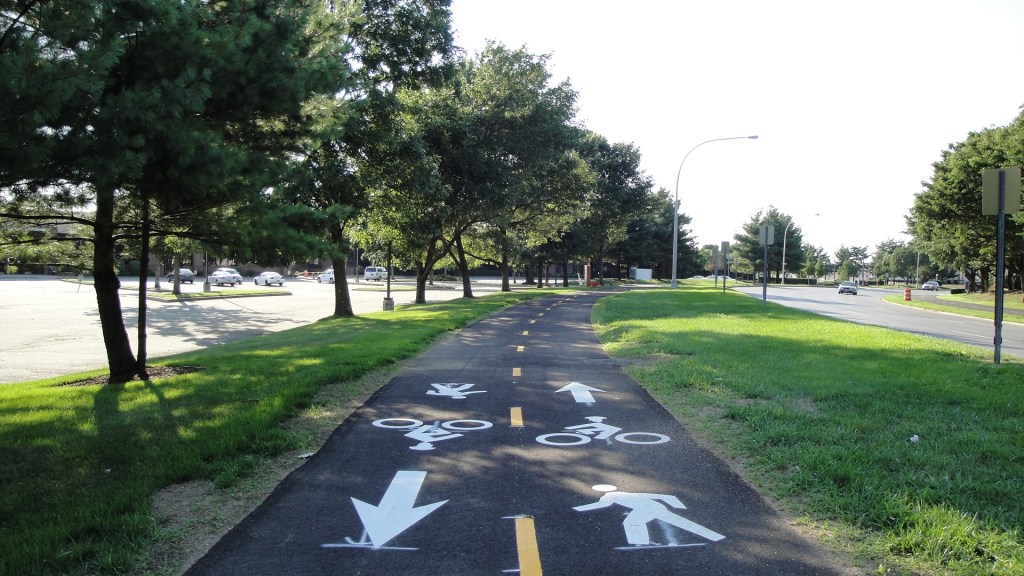
To solve that problem, the board will ask local authorities to identify county roads that connect dense population centers — such as the corridor between Syracuse and Baldwinsville — and price out infrastructure like shared-use paths running alongside them.
“We would … only approve bonding and expenditures when we feel as though the project has duly considered the option to make that county road bikeable, walkable and traversable by non-personal cars,” Watts said, referring to a member of her panel who recently biked the Baldwinsville corridor and found it dangerous.
Watts framed the effort as an attempt to undo decades of development that assumed everyone has a car — creating segregation based on vehicle access, and cutting off non-drivers from jobs, social engagements and even recreation at local parks and lakes.
“[More bikeable and walkable roads] will bring about more freedom of movement for people to be able to live in the community of their choosing,” she said.
Her co-chair, Darrell Buckingham, a program officer at the Central New York Community Foundation, looks forward to presenting the panel’s recommendations for more-connected communities.
“Syracuse or Dewitt to Fayetteville, there are certainly strong issues there in terms of safety, in terms of, again, walkability,” he said. “There are certainly areas for improvement. … It does keep residents from really becoming neighbors and becoming community.”
All of the board’s recommendations will be made public at a Sept. 1 open house. From there, the proposals head to the County Legislature and the county executive’s office, each of which would have to act to implement them.
Building for the Future: Housing & Transportation Open House, INSPYRE Innovation Hub (235 Harrison St., Syracuse), Sept. 1, 5:30-7:30 p.m.
Read More:
Streetsblog has migrated to a new comment system. New commenters can register directly in the comments section of any article. Returning commenters: your previous comments and display name have been preserved, but you'll need to reclaim your account by clicking "Forgot your password?" on the sign-in form, entering your email, and following the verification link to set a new password — this is required because passwords could not be carried over during the migration. For questions, contact tips@streetsblog.org.