OPINION: Chaos At The Curb Is A Choice — But Automated Enforcement Can Fix It
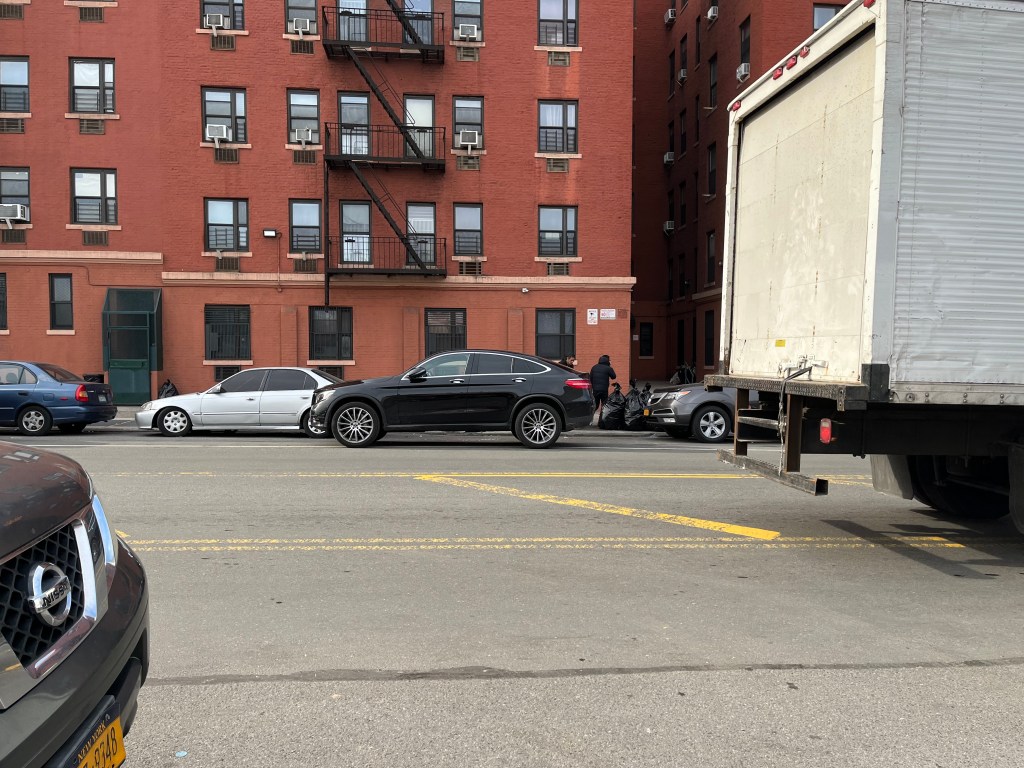
New York City’s streets are chaotic, and we know how to make them safer and more efficient: automated enforcement at the curb. Our bill, S8665/A5440, would let New York City enforce parking violations at the curb.
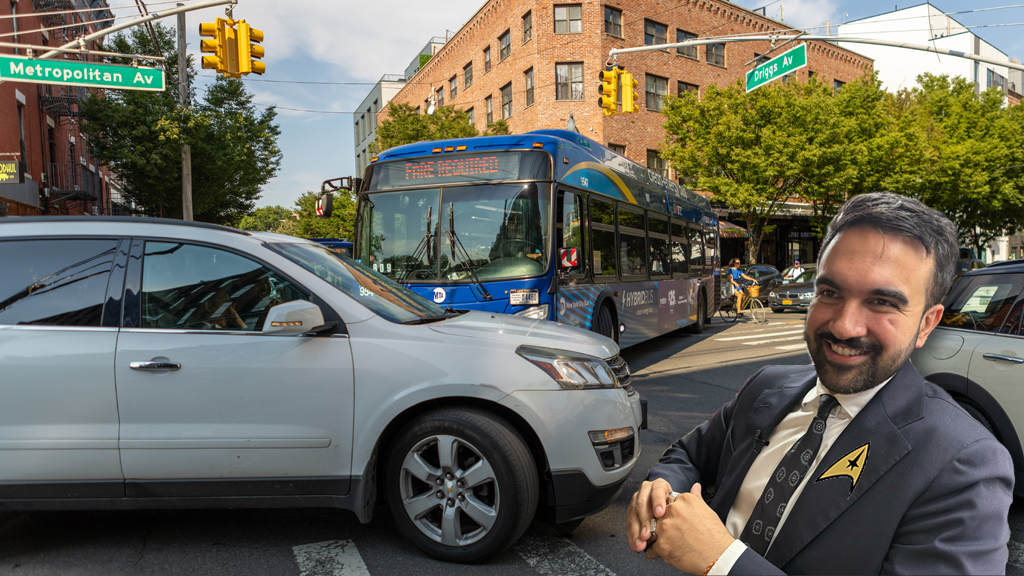
Our city’s streets are dangerous, disorganized and chaotic. Illegally parked vehicles routinely block loading zones, crosswalks, bike lanes and bus lanes, creating blind spots for pedestrians and cyclists; the dangers are even more pronounced for those with disabilities. Chaotic curb conditions also make delivery workers’ jobs more difficult and far more dangerous. For our first responders, this illegal parking can mean dangerous delays when seconds matter, as we have seen time and time again when hydrants are blocked during dangerous fires.
Parking rules are under-enforced, and this puts lives at risk. 311 complaints for illegal parking are often closed within seconds of their submission, not because the violation was resolved, but because enforcement is not treated as a priority. During a period where there were 588 illegal parking complaints, just 2.87 percent resulted in tickets being issued.
Illegal and double parking creates traffic, creating inconveniences and increasing travel times for drivers as well.
Automated enforcement is the solution. We’ve seen the success of speed, red light and bus cameras: Red light camera violations declined 73 percent at camera locations, and speeding violations dropped 30 percent after 24/7 enforcement began in 2022. And with the bus camera program, bus speeds have increased and collisions dropped 20 percent.
These programs also deter future illegal behavior. Bus lane violations have decreased by a whopping 40 percent after the program was launched.
With our bill, New York City would be able to apply this proven technology to parking violations. This would reduce the need to devote NYPD resources to routine curb enforcement and allow rules to be enforced consistently citywide.
We’ve seen the results from similar programs in Hoboken and Pittsburgh. In Hoboken, their automated enforcement program, CLEAR, has shown a 66 percent reduction in loading zone violations and a 59 percent reduction in blocked bike lanes. The program has also increased utilization of loading zones by 62 percent — CLEAR is good for business. In Pittsburgh, they saw a 95 percent reduction in double parking near loading zones after they began to automatically enforce parking in them.
We have the technology to make our streets safer. We need to put it to use.


Read More:
Streetsblog has migrated to a new comment system. New commenters can register directly in the comments section of any article. Returning commenters: your previous comments and display name have been preserved, but you'll need to reclaim your account by clicking "Forgot your password?" on the sign-in form, entering your email, and following the verification link to set a new password — this is required because passwords could not be carried over during the migration. For questions, contact tips@streetsblog.org.