OPINION: Time for Our Airports To Put Transit First


As the Port Authority of New York and New Jersey begs the federal government to stanch the $3-billion hole that COVID-19 blew in its budget, residents of the New York metropolitan area ought to demand that the agency put public transit first for a change.
Recently in New York, we’ve seen pedestrian-friendly changes in the announcement of two new bike lanes on bridges, a permanent open-streets program, and renewed support to push congestion pricing over the finish line.
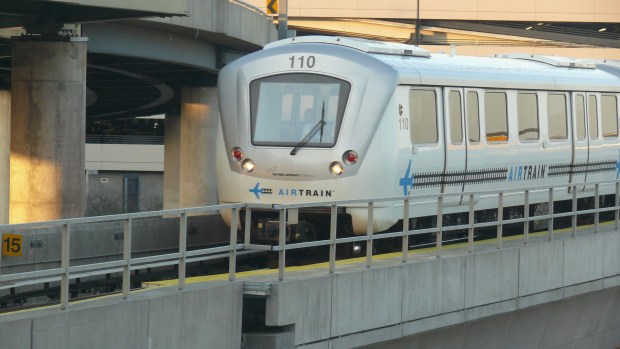
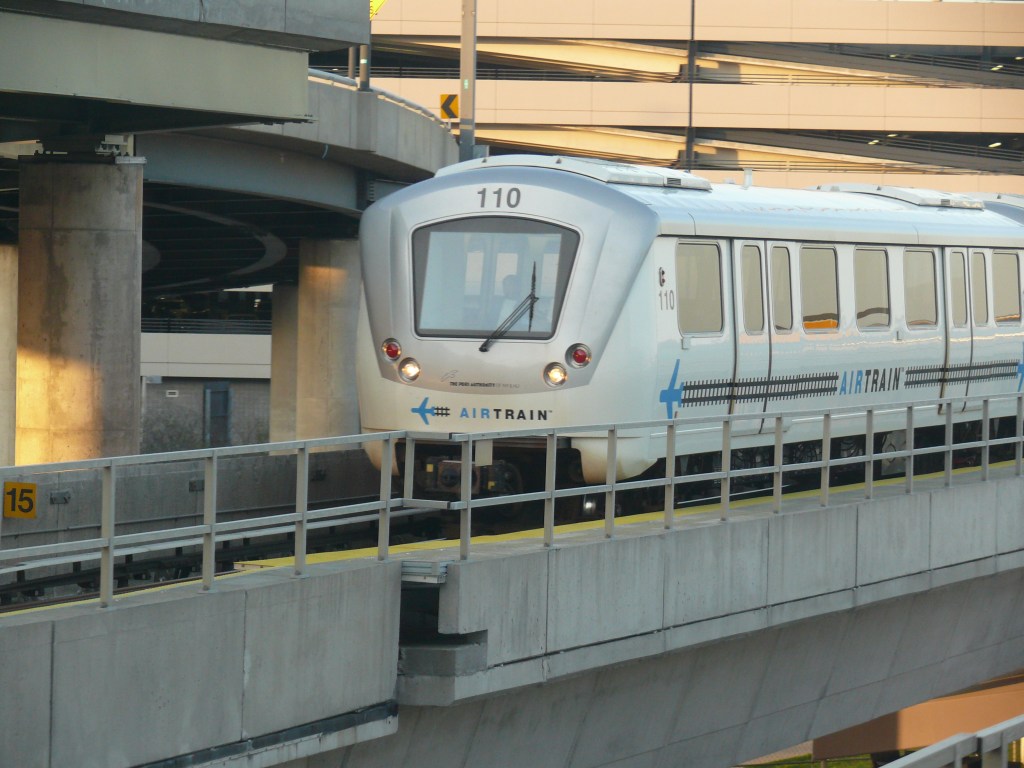
In the last few years, however, the Port Authority has made public-transit alternatives to its airports significantly more expensive while keeping private-car access free, and spent some of the added transit revenue on enabling more cars to clog up the road to John F. Kennedy Airport. The net result has further congested our roads and dirtied our air.
New York and New Jersey residents shouldn’t stand for such a regressive, wasteful, pollution-producing situation at our airports. Govs. Cuomo and Murphy, as well as the Port Authority board, must make AirTrain fares free and impose car tolls for airport access instead. Simply put: It’s time that our airports catch up.
How did the situation come about?
In the last number of years, Gov. Cuomo and the board of the Port Authority (half of which was appointed by him) made several dubious moves.
In 2017, Cuomo announced a $2-billion project to widen the Van Wyck Expressway in order (supposedly) to make it easier for passenger cars to gain access to the JFK. Then, in September, 2019, the Port Authority board raised the price of AirTrain fares at JFK and Newark airports to $7.75 from $5, partly to pad the Port Authority’s $37-billion budget.
Individually, each decision amounted to a step backward from the states’ stated goals of reducing our carbon footprint and creating a sustainable transportation network in the metropolitan area. As Streetsblog has extensively documented, fare hikes tend to reduce public-transit usage, while highway expansions, notoriously, attract more cars, creating more congestion.
Taken together, however, the decisions were downright retrograde.
The changes Cuomo and the Port Authority made also have produced some head-scratching math and do not make economic sense for the Port Authority.
A comparison of travel modes shows just how regressive the 2019 AirTrain fare-hike was. When it enacted the fare hike, the Port Authority did impose a new access fee for taxis and for-hire vehicles — a paltry $2.50, and then only for airport pickups. So, since 2019, a family of four traveling roundtrip to the airport has paid the Port Authority an extra $2.50 for an Uber trip (and nothing more if traveling by private car). But the same family has paid the Port Authority another $22, spending fully $62, in order to arrive and depart by the AirTrain.
Passenger-access statistics for JFK make this an even more bizarre calculation. According to December, 2019 statistics (that is, the last good pre-pandemic sample), passengers who arrived by AirTrain made up 12.1 percent of JFK Origin and Destination traffic, whereas private and rental cars (not including taxis and Uber/Lyft) accounted for over three times that number. In other words, barring a major shift in access modes, enacting a toll of only a third of the JFK AirTrain fare — or about $2.60 — would generate the same revenue as that currently collected from public-transit passengers.
New York is unfortunately not alone in adding a special toll on airport public-transit riders. Still, some jurisdictions do toll passenger cars. For example, the nation’s fourth-busiest airport, Dallas/Fort Worth, charges up to $6 for passenger cars to access the airport, with no extra cost for passengers who arrive by DART train. Boston’s Logan charges passenger cars $5.50 — and public-transit riders nothing — in order to travel a direct highway route in the airport, although (as this USA Today article notes) car drivers can take local roads in order to avoid the tolls.
With the backdrop of many pedestrian- and climate-friendly changes happening in New York, it’s time the airports catch up and become public-transit-first hubs.
Sean Scott (@sts423) is an avid New York City biker and aviation enthusiast.

Read More:
Streetsblog has migrated to a new comment system. New commenters can register directly in the comments section of any article. Returning commenters: your previous comments and display name have been preserved, but you'll need to reclaim your account by clicking "Forgot your password?" on the sign-in form, entering your email, and following the verification link to set a new password — this is required because passwords could not be carried over during the migration. For questions, contact tips@streetsblog.org.