Speed Cameras, Toll Reform, E-Bikes — Your 2017 Albany Watch List

Loosening restrictions on speed cameras, reforming New York City’s toll system, patching up broken hit-and-run laws — there’s plenty Albany lawmakers can do during this year’s legislative session to improve transit and make streets and roads safer.
We asked advocates what issues they hope will get Albany’s attention in 2017. Here are some of the major ones they’ll be watching out for.
Toll reform
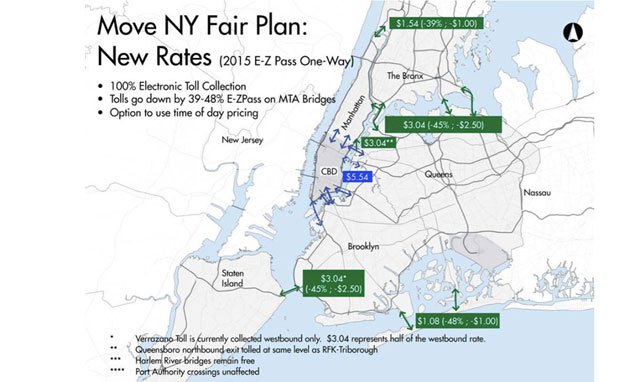
Less traffic, fewer fare hikes, faster buses, and safer streets. The Move NY plan would do much to improve mobility and make the city’s transportation network function better for everyone. What it needs is the support of Governor Cuomo.
The plan got a boost in 2016 when Assembly Member Robert Rodriguez introduced enabling legislation that picked up dozens of sponsors, but no companion bill was introduced in the Senate. A recent Transportation Alternatives poll found that 54 percent of New York voters prefer toll reform to other transit funding options. If Cuomo decides to make it a priority, Move NY could finally go the distance.
Speed cameras
The de Blasio administration will again press Albany for “expanded authority” to use speed enforcement cameras. Currently, the state limits the city to 140 cameras, which must be deployed near schools and activated only during school hours. Transportation Alternatives will concentrate on enlisting Cuomo’s support. If he chooses, the governor can protect New Yorkers from speeding drivers by prodding lawmakers to lift random restrictions that are holding the program back.
Unlicensed driving
State Senator Michael Gianaris’s office says he is again pushing two bills that would strengthen penalties for unlicensed drivers who harm people. S2484A — which passed the Senate in 2016 — would make it a class E felony to cause serious injury or death while driving without a valid license, as long as the license was suspended or revoked for traffic offenses. The second bill would require drivers with suspended or revoked licenses to surrender their license plates.
Hit-and-run
Albany has a couple of opportunities to reduce hit-and-run crashes. One is an Amber Alert-type system proposed by City Council Member Ydanis Rodriguez. State Senator Marisol Alcantara and Assembly Member Carmen De La Rosa, who represent Upper Manhattan, say they will intro bills to establish such a program statewide. Then there’s the seemingly interminable quest to get Albany to fix state code that gives drivers an incentive to flee after a serious crash. Both houses managed to pass legislation to change the law in 2015, but the bill would have done more harm than good, and district attorneys and safety advocates had to lobby Cuomo to veto it.
Drugged driving
According to Nassau County vehicular crimes chief Maureen McCormick, a top priority of district attorneys this year is reforming laws against driving while under the influence of drugs. Due to a 2007 Court of Appeals decision, if a substance isn’t on the state’s list of drugs that are prohibited while driving — synthetic marijuana being one example — police and prosecutors can’t charge motorists for driving while intoxicated by that substance, even after a crash. “In addition, a defendant can refuse to submit to a chemical test unless there was death or serious injury,” McCormick told Streetsblog. McCormick notes that Cuomo’s 2017 State of the State book (see page 350) mentions closing this loophole. “There is a sliver of hope,” she says.
Three-foot passing law
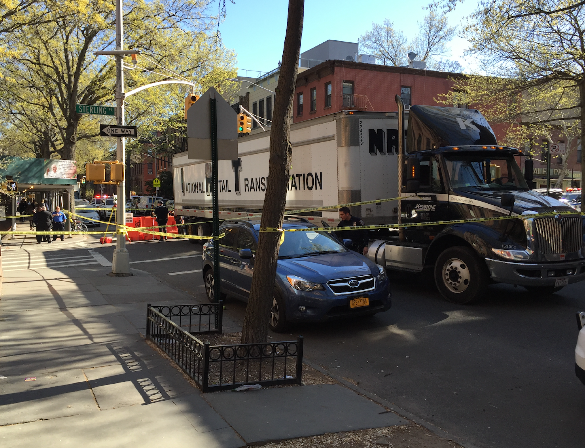
A bill from upstate Senator Tom O’Mara would establish a three-foot buffer between cyclists and passing motorists — the current standard is passing “at a safe distance” — and would make a sideswipe collision prima facie evidence of the driver’s failure to pass with three feet of clearance. This would give police a tool to charge drivers in crashes like the one that killed Brooklyn cyclist James Gregg.
Driver education
In 2016 the Senate and Assembly passed legislation that would have added a “bicycle and pedestrian safety component” to the state’s driver education curriculum. But it never got to Cuomo’s desk because, according to TA, one of the bills used “may” rather than “shall” and lawmakers failed to reconcile them. It looks like Cuomo wants to get this done this session — his State of the State book (page 350 again) says he wants to make “bicycle and pedestrian safety a focus in licensing.”
E-bikes
Could this be the year New York aligns state law with federal law on electric bikes? Though the feds officially classified them as bicycles more than 10 years ago, New York still considers e-bikes to be motor vehicles. Since e-bikes don’t come from the factory with vehicle identification numbers (because VIN numbers aren’t required under federal law), they can’t be registered with the DMV, and are therefore considered unlicensed motorcycles.
In NYC, this technicality gives police another reason to target delivery workers who use electric-assist bikes to make a living. The Senate passed a bill in 2015 to address the problem, but it died in the Assembly. Senator Martin Dilan and Assembly transportation chair David Gantt reintroduced e-bike legislation in their respective houses last month. The bills would limit top speeds to 20 mph and require users to wear helmets.

Read More:
Streetsblog has migrated to a new comment system. New commenters can register directly in the comments section of any article. Returning commenters: your previous comments and display name have been preserved, but you'll need to reclaim your account by clicking "Forgot your password?" on the sign-in form, entering your email, and following the verification link to set a new password — this is required because passwords could not be carried over during the migration. For questions, contact tips@streetsblog.org.