Bill Watch: New York Still Needs to Commit to Lowering Vehicle Miles Traveled
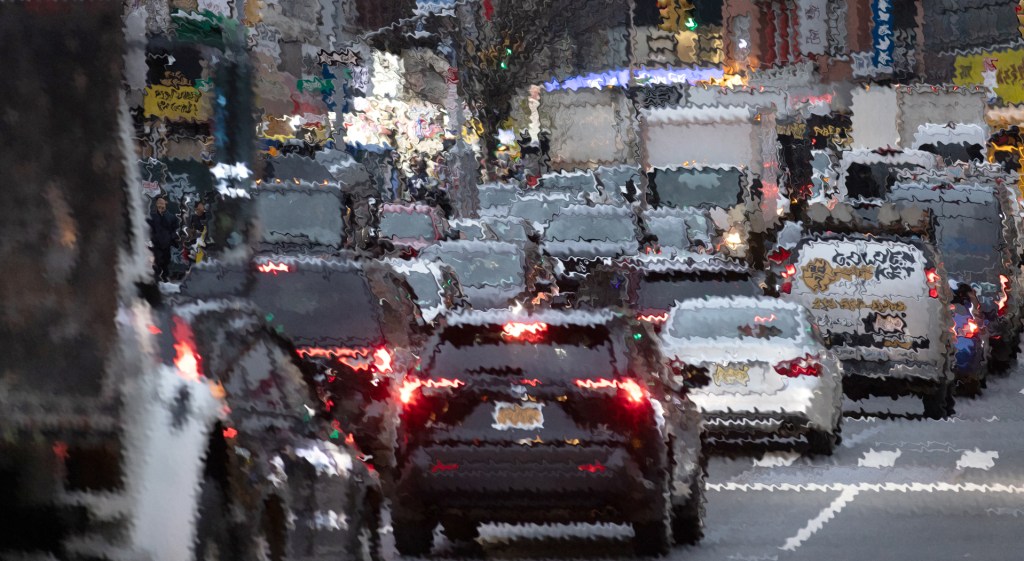
The legislative session opened on Wednesday, but it’s not like lawmakers are burning to rein in fossil fuel emissions from cars.
But they have to; the Climate Leadership and Community Protection Act requires steep cuts to emissions, with regular benchmarks culminating in a planned 85-percent reduction in greenhouse gas emissions by 2050. A climate scoping plan released in 2022 specifies that, in order to meet the state’s climate goals, vehicle miles traveled need to be reduced in the state by 15 percent.
Assembly Member Karen McMahon (D-Williamsville) blames state Department of Transportation officials for failing to consider reducing vehicle miles traveled in the agency’s projects, describing such a strategy as “out of their comfort zone.”
McMahon and state Sen. Andrew Gounardes (D-Bay Ridge) sponsor the Get Around NY Act (S4044/A4230) that would commit state DOT officials to screen and possibly adjust projects to make sure they help meet the state’s VMT targets. But the bill is stuck in the big pond out back of the statehouse labeled Status Quo.
She thinks talking about the problem is the first step.
“We tried to do a legislative briefing last year, but scheduling things just got so crazy with the late budget,” McMahon told Streetsblog. “So we’re going to try and do that, just to get the word out to more legislators and others in Albany, and get people thinking about this.”
The fear, she added, was returning to the days when road design focused on making sure cars could get from city centers to the suburbs with ease.
There are two issues with reducing vehicle miles traveled: The VMT guidelines in the state climate law are just vague enough that there isn’t a clear-cut system for DOT officials to follow. Also, the funding isn’t always there for municipalities to develop transit systems that can properly utilize street design qualities like new bus lanes.
The Get Around NY Act can help clarify the work engineers need to do to comply with state climate law, but there still needs to be a commitment to the concept of reducing single-use car travel.
On the first day of session on Wednesday, Gov. Hochul dodged a question about a statewide strategy to reducing driving, but touted her support for public transit and congestion pricing in Manhattan’s central business district, which recently celebrated its one-year anniversary.
She admitted that public transit “is not as successful in our rural areas,” but said the reduction in cars entering Manhattan “reduces traveling on our roads.”
“I think that’s a great start,” she added.
The tolling program has reduced vehicle miles traveled in New York City’s central business district by 7.1 percent, but there aren’t many places in the state where policymakers are considering charging motorists to enter. The Hochul administration approach to reduce vehicle miles traveled — a mixture of electric vehicle infrastructure, funding for public transit and some money for walking and biking projects, is falling short.
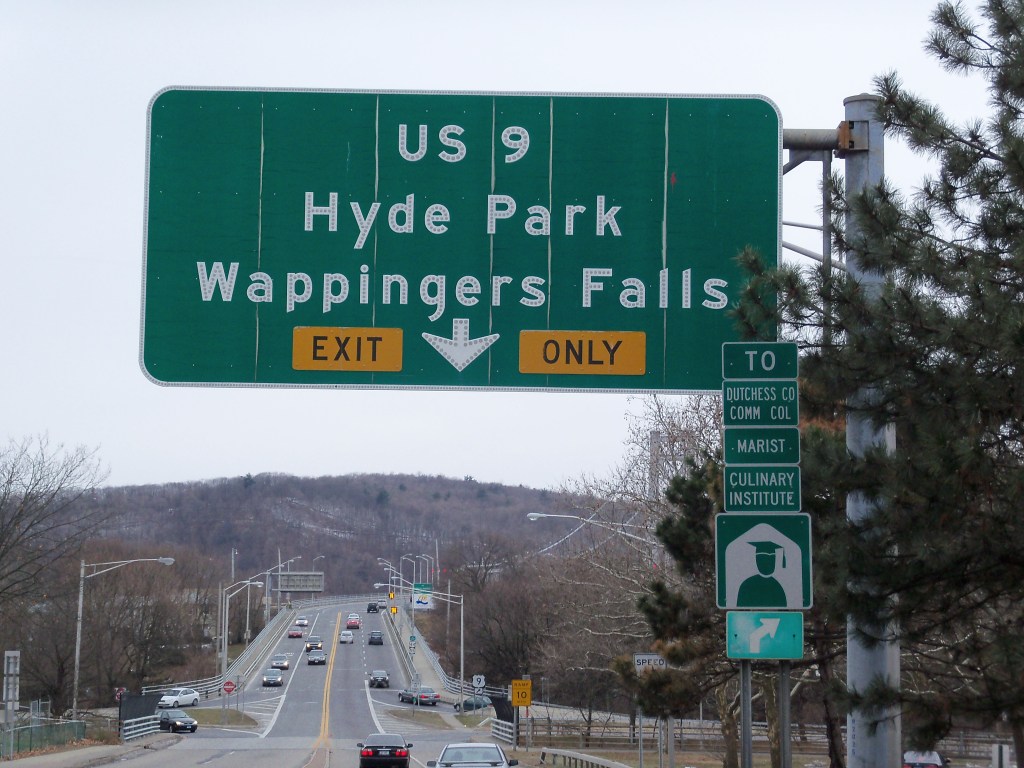
Meanwhile, the state DOT undertakes lack measures that would encourage alternate forms of travel, like biking, or are so focused on accommodating motorists that they create more infrastructure, like additional lanes or entire highways, for fossil fuel-burning cars.
Experts say that car ownership outside of New York City isn’t going away anytime soon, but ending the need for households to have more than one car is a reachable goal, that also happens to dovetail with the governor and state Legislature’s commitment to affordability.
“We can build transit-oriented development so that people can walk to the train to get to work. We can build out more robust transit systems. We can build safer biking and pedestrian infrastructure so that people can walk into downtown the five, 10 minutes,” said Jaqi Cohen, director of Climate and Equity Policy at Tri-State Transportation Campaign.
With the state as a leader, public works projects handled at the local level could use this forward-thinking approach. However, with decades of design logic that runs counter, it will take a while to shift procedure on a scale that meets the state’s climate goals and the needs of everyday New Yorkers.
“The build-out of transit in New York state hasn’t fallen to state DOT, right? It’s fallen to local municipalities and local transit systems,” Cohen said. “State DOT has been responsible for highways and roads and bridges, and so it does require a little bit of a new way of thinking about how we’re spending our state transportation dollars.”

Read More:
Streetsblog has migrated to a new comment system. New commenters can register directly in the comments section of any article. Returning commenters: your previous comments and display name have been preserved, but you'll need to reclaim your account by clicking "Forgot your password?" on the sign-in form, entering your email, and following the verification link to set a new password — this is required because passwords could not be carried over during the migration. For questions, contact tips@streetsblog.org.