Congestion Pricing Has More Positive Momentum But Remains Uphill Battle in Albany
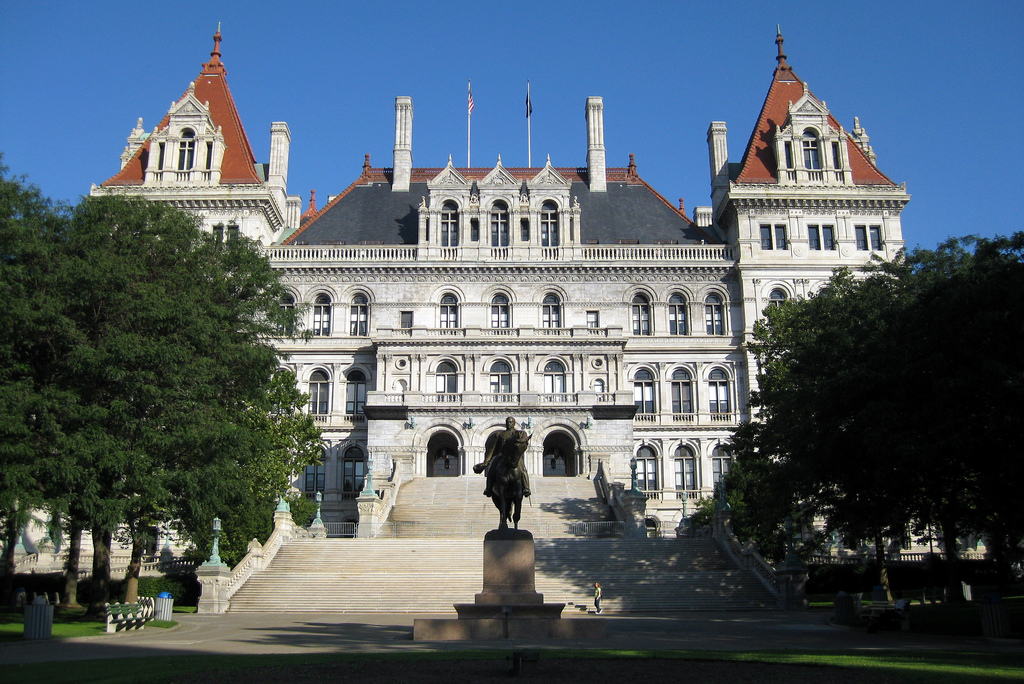
State legislators increasingly understand the urgent need to address the city’s transit crisis, with longtime opponents even acknowledging the potential benefits — but whether that urgency will result in new funding for the beleaguered subway system is the $60-billion question.
On the table are an array of options to raise that kind of green — and only one, congestion pricing, has been endorsed by Governor Cuomo. The plan would generate funds for transit by charging drivers to enter Manhattan below 60th Street. The idea has been dead-on-arrival in Albany for a decade, when a proposal from then-Mayor Michael Bloomberg fizzled.
On Tuesday, Cuomo’s annual “State of the State” speech is expected to include new details of his plan to fund, fix and reform the MTA. The speech comes as policymakers weigh the merits of various funding schemes for the deficit-plagued MTA, including a potential fare and toll hike, while agency itself struggles to maintain credibility after Cuomo’s embarrassing rejection its long-planned reconstruction of the Canarsie Tunnel. That past is prologue this time — and some legislators who were previously on-record as undecided or opposed are rethinking their positions based on the new context.
“There’s a new energy — a number of new members who rely more heavily on public transit who are engaged in the conversation now,” said Brooklyn Assembly Member Latrice Walker, one of the recent converts.
In addition to Walker, the roster of recent supporters also includes Mathylde Frontus of Coney Island, Maritza Davila of North Brooklyn and Aravella Simotas of Queens. (Indeed, a Siena poll released Monday shows support for congestion pricing is on the rise.)
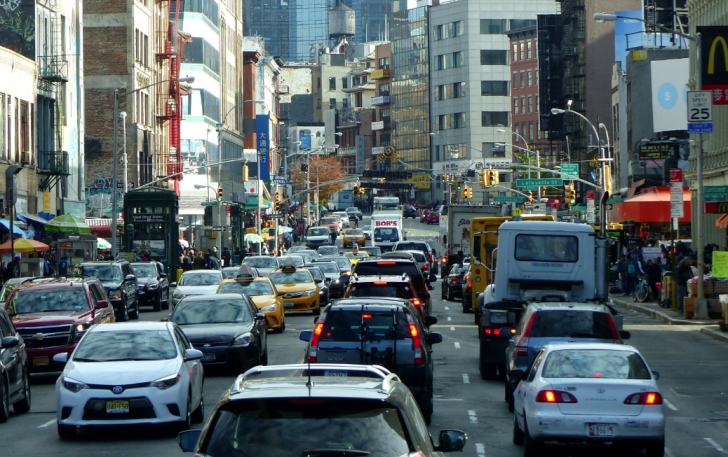
Still, congestion pricing is far from a done deal. Cuomo has yet to put forward an actual plan, and legislators who support pricing aren’t going to go out on a limb to whip votes for an enigma. Cuomo’s 2017 Fix NYC panel proposed no less than 42 possible pricing schemes for the Manhattan toll. Some foes have grumbled that a congestion fee is a new tax on the working class — though statistics show the wealthy are more likely to drive regularly into Manhattan — while other opponents have said the MTA can’t be trusted with a new revenue source.
As a result, confusion reigns.
“Nobody knows for certain what folks would vote for or vote against it because it’s never been presented,” said Assembly Member Robert Carroll, part of a small caucus of assembly members who are gung-ho for the policy. “Anybody who thinks that it’s inevitable just doesn’t understand Albany and the very steep hill congestion pricing must climb.”
Some congestion pricing opponents have changed their tune. In 2007 and 2008, Assembly Member Jeff Dinowitz of the Bronx allied himself exclusively with wealthier car owners, organizing forums and rallies to oppose congestion pricing, which he called a “regressive tax on middle-class and working people.”
A decade later, Dinowitz’s focus has completely shifted. This week, his office put out a 19-point transit wishlist for his district, suggesting that if congestion pricing did pass, at least he could bring back some improvements for his transit-using majority.
Manhattan-bound car commuters, who make up a small sliver of Dinowitz’s northwest Bronx constituents, are no longer Dinowitz’s primary concern.
“We know we have to significantly increase revenue for mass transit. There’s no two ways about it,” he told Streetsblog. “All options should be on the table. It’s likely it will turn out that one option will not be enough.”
Frontus opposed the policy during her primary campaign against Ethan Lustig-Elgrably.
“My position has evolved slightly since the campaign. I believe that congestion pricing is a viable option which should be seriously considered as a means to raise critical funding for the MTA,” she told Streetsblog. “I don’t want to see the fares raised for the MTA. It would be a burden on low-income and working families.”
Close observers noted the shift, which comes after years of increasing public outrage about the system’s collapse.
“The pendulum has swung a lot towards transit,” said Jon Orcutt, who was a deputy commissioner at the city Department of Transportation during the previous congestion pricing push. “There’s been a two-year public campaign pointing at Albany saying fix this, and I think that’s helping.”
Even then, some elected officials may need to be dragged kicking and screaming. Congestion pricing was suffering from middling poll numbers a year ago, but those are starting to turn around as voters understand the potential positive impact. That said, many self-described supporters have paired their endorsements with a laundry list of concerns. Walker, for example, is eager to know what her constituents will get in return. Others have called for carveouts for “low-income working families,” though few of such families regularly drive into the central business district of Manhattan:
“I’m not opposed to congestion pricing, but congestion pricing is a means to an end: to be able to gain resources to fund some of the MTA’s shortcomings,” Walker said.
Carroll said legislators must avoid a slippery slope. He’s open to what a tabloid headline writer might call “the Chemo Carveout” — an exemption for, say, an Upper West Sider who needs to get medical treatment every day for a limited amount of time — but he opposes waiving toll fees simply because some people “need” to drive into the city one day.
“We can’t exempt all medical problems. I don’t think people are going to say, ‘I’m not going to cross this bridge for an appendectomy because it costs five dollars,'” he said. “That makes no sense.”

Read More:
Streetsblog has migrated to a new comment system. New commenters can register directly in the comments section of any article. Returning commenters: your previous comments and display name have been preserved, but you'll need to reclaim your account by clicking "Forgot your password?" on the sign-in form, entering your email, and following the verification link to set a new password — this is required because passwords could not be carried over during the migration. For questions, contact tips@streetsblog.org.