Hudson Valley’s ‘Fjord Trail’ Provides Strong Argument For Hochul’s SEQRA Reform
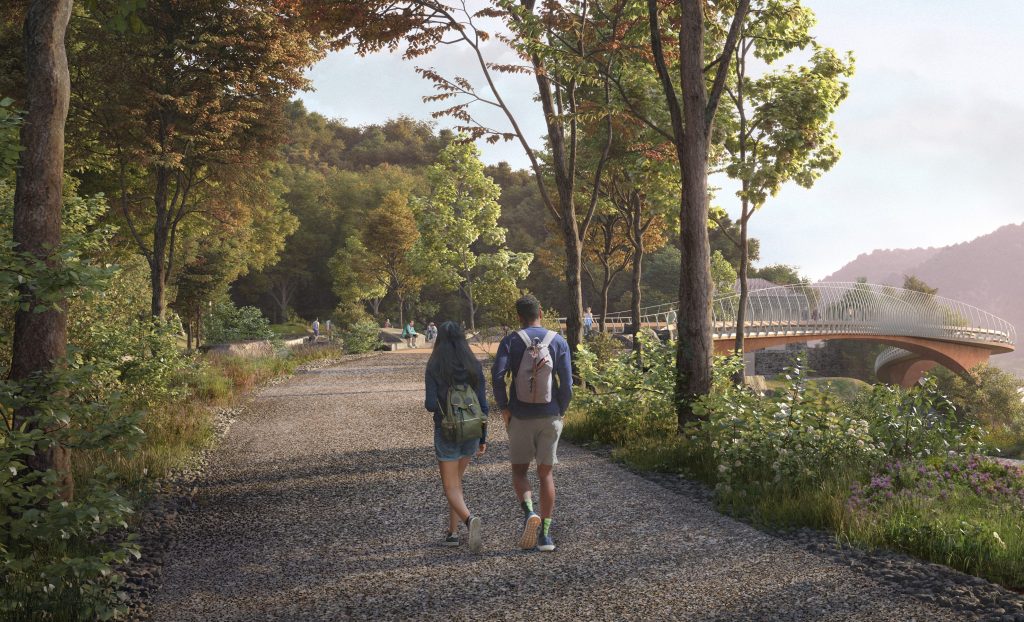
Here’s a black-and-white example of why green infrastructure needs less red tape.
Gov. Hochul’s proposed reforms to the State Environmental Quality Review Act are intended to spur re-development of land that had been previously used — and if her changes already gone into effect, a proposed 7.5-mile bike and pedestrian path in the Hudson Valley would not be in jeopardy.
The Hudson Highlands Fjord Trail underwent years of studies and a full environmental impact statement. But municipal legislators in Cold Spring and Philipstown are planning to sue anyway, arguing that the project’s EIS was insufficient. The officials’ goal is to undo the state Parks Department’s approval of the project and stall it long enough to get it killed outright — exactly the kind of thing Hochul’s reform aims to prevent.
The town officials’ concerns boil down to the idea that the trail would be too popular and strain the area’s infrastructure — in other words, NIMBYism with better foliage.
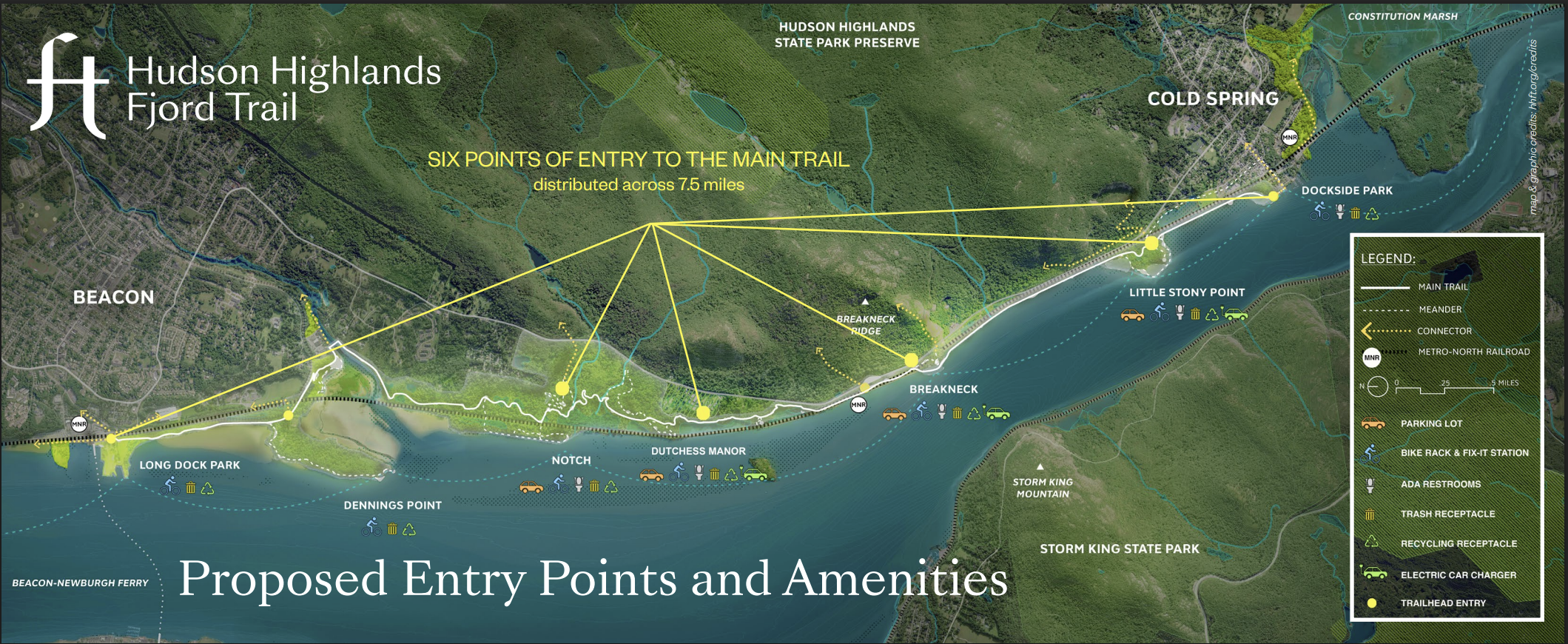
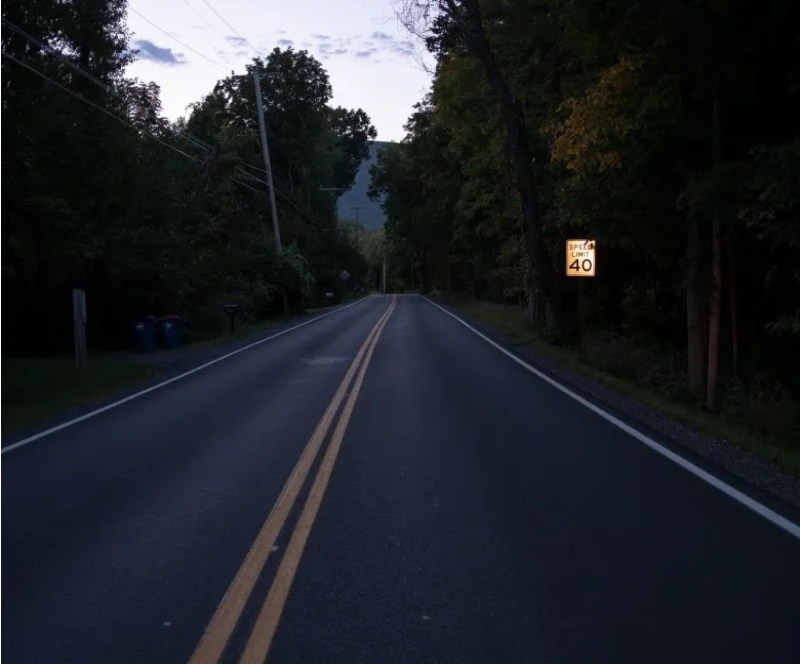
The trail would sit on a portion of state Route 9D between Cold Spring and Beacon at the foot of the Hudson Highlands State Park Preserve, which itself is a popular destination that draws visitors from the Hudson Valley and even New York City.
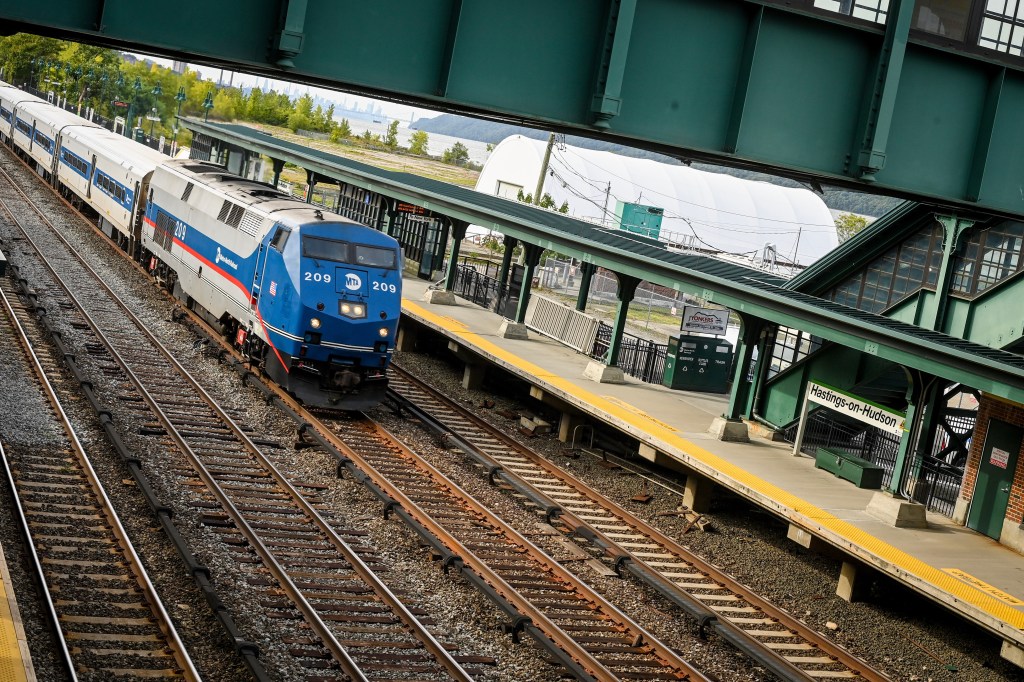
Right now, many visitors are apt to park along Route 9D, which narrows the already thin roadway into Cold Spring. This trail could alleviate that with bike and pedestrian trail connections, connections to Metro-North stations at Beacon, Breakneck Ridge and Cold Springs and two parking lots.
With that accessibility comes demand, and the state Parks Department expects 268,700 new annual visits once the trail is up and running by 2032 (lawsuit aside). And that’s what concerns the locals.
Using the state environmental review act, often called SEQRA, to kill projects is common practice in New York, but the trail is a textbook example of what Hochul’s proposal is meant to fix. In this trail’s case, the reform of SEQRA could have eliminated the need for a full environmental impact statement because the trail is being built on previously disturbed land. Also, Hochul’s proposal would shift the burden of proof onto the municipalities and reduce the window to file suit from four months to 30 days.
Hochul’s reform aims to clear bike and pedestrian infrastructure projects because they are projects that have a wide public and environmental benefit.
“One of the limitations of SEQRA is that it doesn’t really reward positive impacts,” Peter Mullan, president and CEO of the Hudson Highlands Fjord Trail, told Streetsblog. “Basically, it assumes that any impact is negative, right? … But you don’t get a lot of credit for positive impacts.”
Currently, there are two types of projects under SEQRA: Type I and Type II. While Type I projects require developers and municipalities to study and mitigate significant adverse environmental impacts like air quality, local fauna and community character, Type II projects are pre-screened as having no impact and exempt from this review process entirely.
In a Type I project like the fjord trail, a finding of significant impact triggers the need for a massive, multi-volume, multi-year Environmental Impact Statement and subsequent public hearings, rounds of feedback and potential lawsuits from project opponents. Type II projects do not require the environmental impact statement.
The governor has stumped for the policy throughout the state this year, usually framing it as a solution for the housing crisis, but it specifically lists pedestrian and bike paths as an eligible project type. Lawmakers are slowly waking up to the idea that this reform is about more than where people can live.
“I’m all in favor of making it easier to site pedestrian and bike paths,” said Assembly Member Dana Levenberg (D-Ossining), whose district includes parts of the project.
And on the municipal level, officials are happy about the possibility of an easier planning procedure. “We always welcome active space,” said Sideya Sherman, director of the New York City Department of Planning.
And based on pubic comments made at the village board meeting where Cold Spring decided to sue to stop the trail from moving forward, locals are rather particular about who they want showing up and enjoying the area.
“I would encourage … trying to think what type of visitor we want coming to the village, preferably visitors that tread lightly, visitors that spend heavily and visitors that leave and tell a good story of how they were welcomed by people in the village,” said a Mr. Thompson at the April 8 meeting.
But Mullan believes people like Thompson will end up being pleased because the project will make that stretch of road livable — indeed, the ideal way to reach it is by train not a car.
“We’re going to pull all that [car] activity off of the roadway,” he said. “So by providing a continuous trail that is both available to pedestrians and cyclists. I think we’re going to provide a new safe route for people.”
State budget negotiations are chugging along (slowly), and right now, the state Legislature and Hochul are hashing out the scope of her streamlined environmental reviews.

Read More:
Streetsblog has migrated to a new comment system. New commenters can register directly in the comments section of any article. Returning commenters: your previous comments and display name have been preserved, but you'll need to reclaim your account by clicking "Forgot your password?" on the sign-in form, entering your email, and following the verification link to set a new password — this is required because passwords could not be carried over during the migration. For questions, contact tips@streetsblog.org.