Hochul Budget Looks To Streamline Environmental Review Process for Greenways
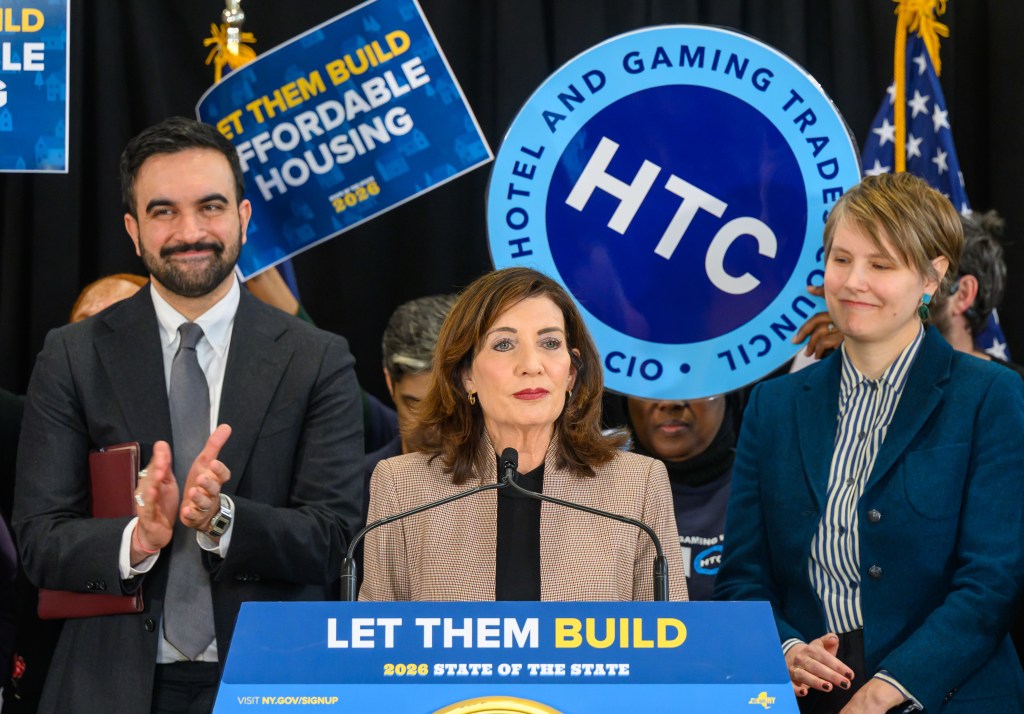
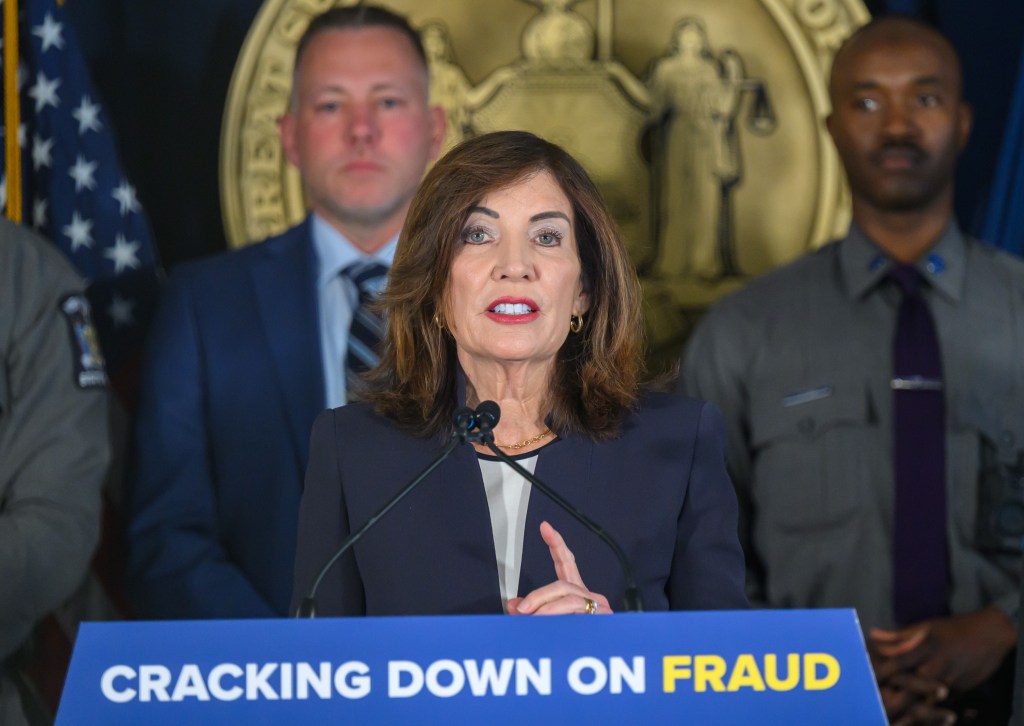
Gov. Hochul’s budget proposal seeks to cut some time-consuming environmental review to spur the construction of housing, but she also included language to extend the streamlining for bike paths and hiking trails.
Hochul’s executive budget would fast-track environmental reviews for New York housing and infrastructure projects on land that has already been “disturbed,” and specifically applies to the construction of “public parks [and] the construction of multi-use bicycle and pedestrian trails.” [PDF, page 74]
Specifically, Hochul wants to reform the State Environmental Quality Review Act, referred to by many as SEQRA. Currently, there are two types of project under SEQRA: Type I and Type II. Both require developers and municipalities to take a hard look and mitigate any significant adverse environmental impacts on such things as air quality, local fauna, aesthetic considerations and even community character.
If a significant impact is discovered in a Type I project, the project is effectively frozen until the completion of a massive, multi-volume, multi-year Environmental Impact Statement and subsequent public hearings, rounds of feedback and lawsuits from project opponents. Type II projects do not require the environmental impact statement.
Hochul wants to classify more projects as Type II so that they no longer have to be reviewed under the same protocol as the one used for other infrastructure, such as roads.
“There was never a [review] process put in place [for] a bike path across the state that would help millions and millions of people become more physically fit and reduce their carbon footprint,” Jeff Olson, the first bicycle and pedestrian program manager at the state Department of Transportation, told Streetsblog. “So we have to use the same process [of environmental review], and [that makes] these projects more difficult.”
Not every “green” project would immediately be considered Type II, only those that would be built on previously disturbed land, like an abandoned lot.
Olson said many projects were delayed by this process, but one was noteworthy for its Kafka-esque absurdity: When the state hoped to connect the Empire State Trail across the abandoned Champlain Canal in Waterford, officials discovered that beavers had built a dam that flooded the low-lying right-of-way. The beaver dam could have easily been disassembled — and the beavers humanely relocated — but, instead, the environmental review suggested elevating the bike path more than doubling the cost.
The project was abandoned — and remains unbuilt.
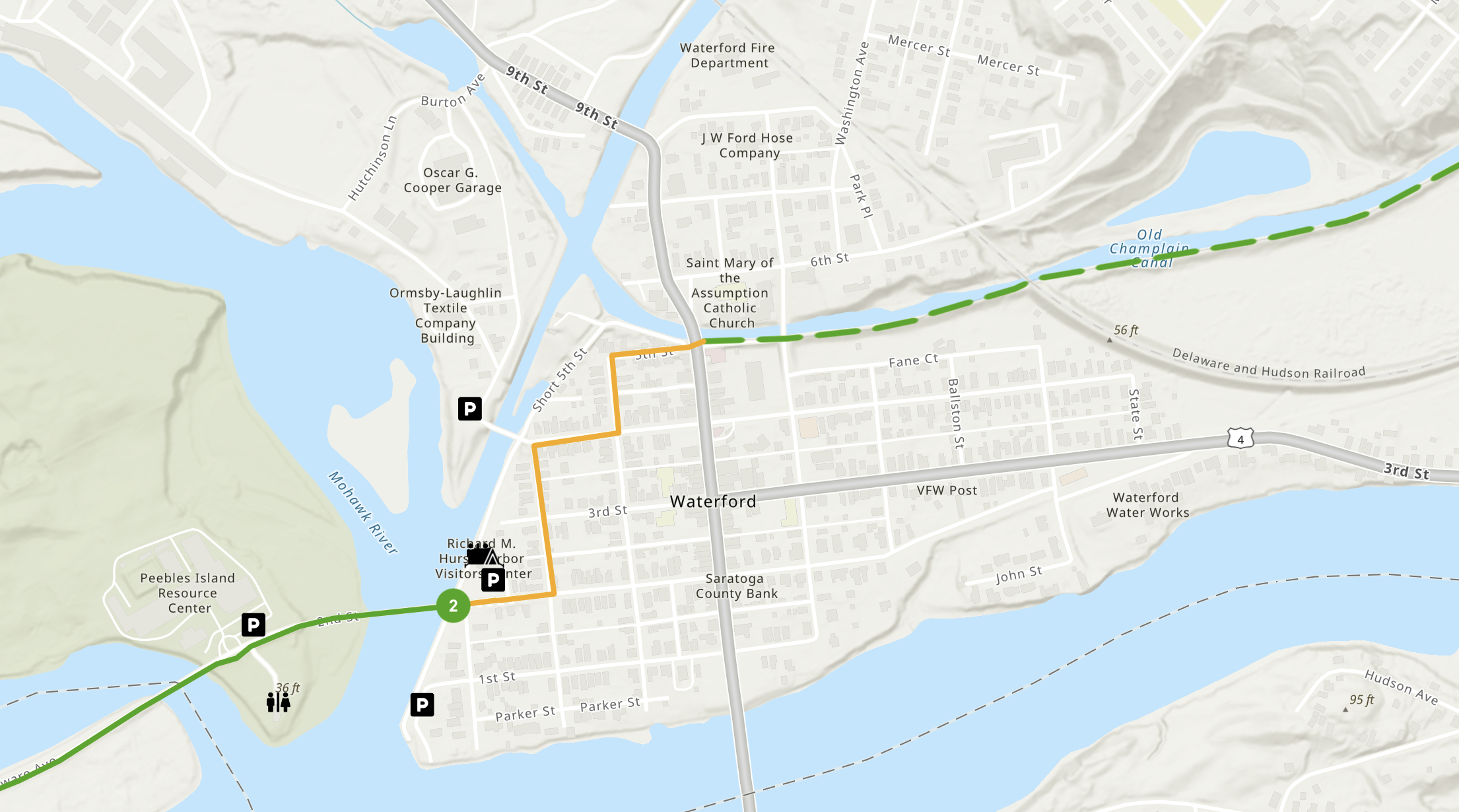
“And bear in mind, this is immediately behind one of the largest and most toxic plastic facilities [the former General Electric plant] in the city,” Olson said.
Under Hochul’s proposed reforms, the project could have been classified as Type II because it was slated to be built along a man-made canal.
Bike paths are usually minimally invasive infrastructure, but even such environmentally friendly amenities as woodland trails for pedestrians get complicated quickly: parking is often desired at trailheads so that would-be trail users can don’t overwhelm local streets and roadway shoulders. And a parking area can trigger the need for other approvals, such as a stormwater permit.
“Most of the trail projects I’ve worked on have not been significantly impacted by the environmental process, but there are changes [to the process] that can be made to make it easier,” said Lindsay Zefting, principal engineer at Verity Engineering. “At least one trail project took almost two years to get through the process due to … environmental permitting around the associated parking.”
Hochul’s reform also seeks to limit environmental impact determinations to two years to prevent project limbo.

Read More:
Streetsblog has migrated to a new comment system. New commenters can register directly in the comments section of any article. Returning commenters: your previous comments and display name have been preserved, but you'll need to reclaim your account by clicking "Forgot your password?" on the sign-in form, entering your email, and following the verification link to set a new password — this is required because passwords could not be carried over during the migration. For questions, contact tips@streetsblog.org.