Open Session: What We Need to See From Albany in 2026
About five hours and 350 miles. That’s the drive some lawmakers and their staff face to get to Albany and the one many made this morning. Why the hell would someone do that to themselves on a perfectly good Wednesday morning? We got some bills to pass, baby, that’s why.
It’s 2026, and the New York state Legislature is back in session. And what a busy session it promises to be: We have Gov. Hochul facing an election challenge from the left and the right. New York City Mayor Zohran Mamdani will return to the start of his political career and lobby his agenda at the statehouse. And that’s just at the highest levels. At some point, state Sen. John Liu will ride his bike from New York City to Albany without stopping (and shame Streetsblog for not joining him. A mid-point hotel, Senator! That’s all we ask!).
As we stare down the rest of the year, legislative, political and otherwise, we still wonder when state lawmakers will go beyond the tweaks and bring substantial change to make roadways safer for pedestrians and cyclists. There is also the question of making public transit more affordable and abundant. Some things are out of politicians’ hands, but they make the laws, and we have seen what happens when they do nothing. In 2026, what does New York need?
Fast and free buses
We know free buses work. Mamdani knows it, Hochul knows it, and so do the members of the state Legislature who witnessed the New York City-wide free bus pilot championed by state Sen. Mike Gianaris (D-Queens) and Mamdani during his time in the Assembly.
However, there is some trepidation around the cost, which hovers around $1 billion. There are also concerns about equity for the rest of the state, parts of which struggle for any kind of transit system — let alone a free one. But lawmakers could put their heads together to figure out a way to make fast, free buses happen while also improving transit statewide. Failing that, the city needs transit that addresses the root concern of transportation affordability. New Yorkers make it no secret that they like to vote with their wallet, and reminder, this is an election year.
Punish reckless drivers
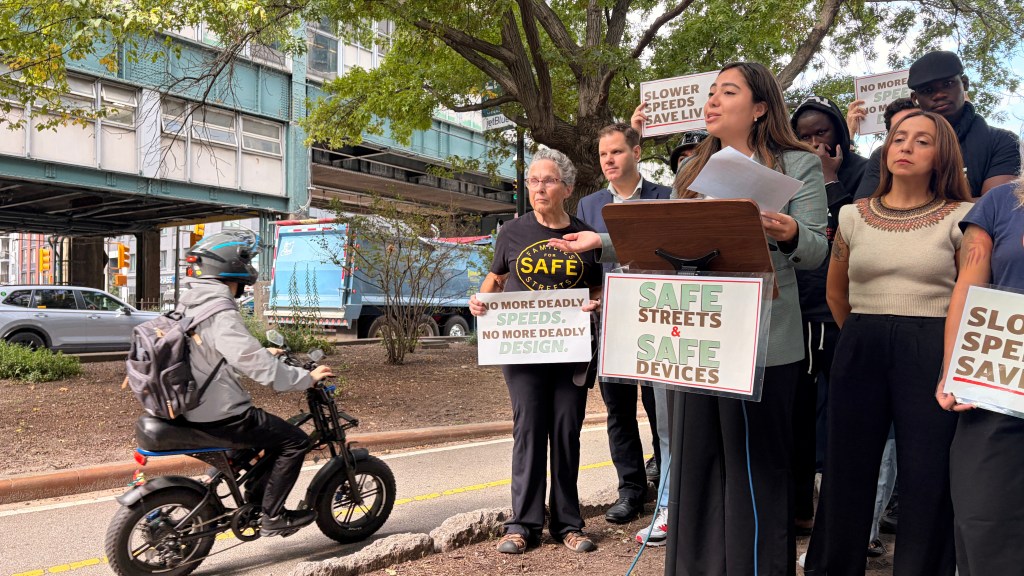
Roadways are unsafe for pedestrians, cyclists and drivers because of a mix of things, but murderous motorists are among the biggest problems. The state Legislature has repeatedly stymied bills that would heavily discourage reckless drivers from taking a devil-may-care attitude on the roads, be it with increased fines, intra-vehicular devices, and increased speed camera usage.
Even with growing awareness around road deaths, some lawmakers remain unmoved (is it really so hard to pass the “Stop Super Speeders” bill?). Meanwhile, reckless motorists remain on the road, which continues the tragic cycle of bad driving, followed by a fatal crash, followed by Streetsblog coverage that reveals the driver could have been taken off the road, but for the failure of our state lawemakers.
Did we point out that it’s an election year …?
Better road design
Many roadway projects come under fire for design aspects that don’t take into account community concerns, forms of travel outside of cars and the environment. If the state set in law clearer, complete streets-inspired guidelines for road design, especially for projects overseen by the state Department of Transportation, there would be a better chance for outcomes that don’t shortchange other groups for the sake of motorists.
We also can’t forget that the state is supposed to be working towards fewer vehicle miles traveled. The state’s Climate Leadership and Community Protection Act doesn’t have teeth, but that doesn’t mean lawmakers can’t pass laws ensuring the overarching goal of reducing fossil fuel emissions from cars doesn’t bear out in new legislation this year.
Invest in upstate transit
Things are trending in the right direction. Last year, there was a funding bump for State Operating Assistance, a pool into whic upstate municipalities can tap for transit funding.
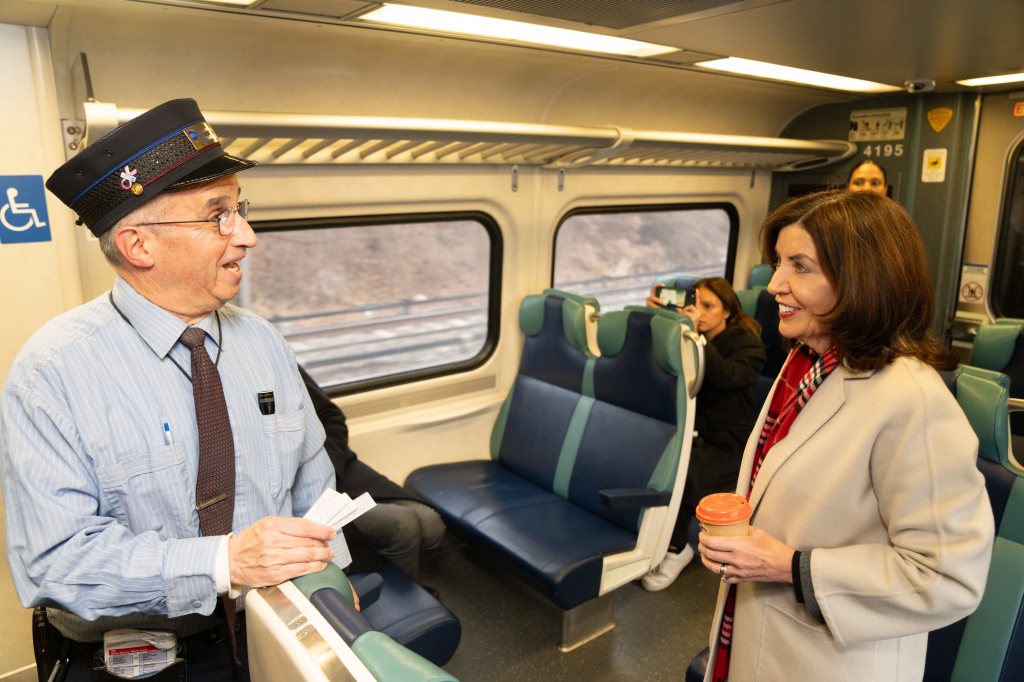
Metro-North riders are also getting faster commute times and a planned expansion in service to Albany.
But there can and should be more:
Upstate has been eyed for high-speed rail, and maybe this could be the year lawmakers move from saying it’s a good idea to actually trying to make it happen.
Creating a more robust transit lock box for cities along the Empire Corridor between Albany and Buffalo could be a no-brainer, too. Just like there was apparent confusion about the plight of renters outside of New York City, lawmakers should remind themselves that some of the transportation issues they ponder in the five boroughs are happening on a smaller scale in the rest of the state.
Many communities outside of New York City are car-dependent, but that doesn’t mean they wouldn’t welcome more options.
Treat greenways as transportation corridors
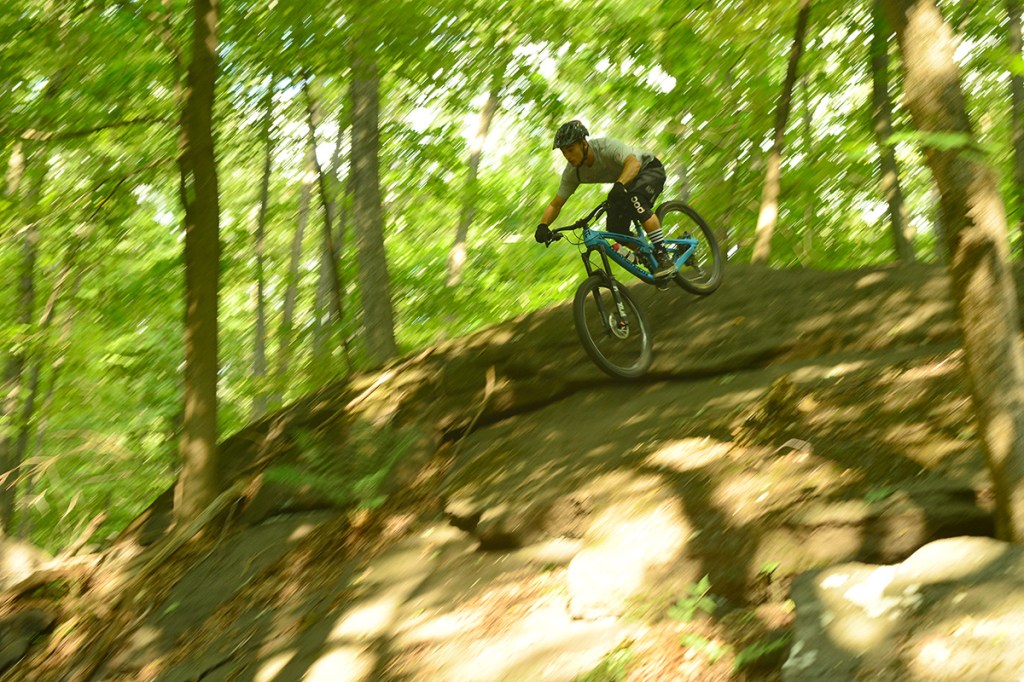
Lawmakers hold the power to transform upstate greenways from seasonal amenities into functional transit infrastructure. Recreation and transportation are sometimes policy silos, but there are ways to bridge gaps and unlock funding where they overlap.
Lawmakers could allow for the use of highway aid to maintain trails. They could even earmark funding to create last-mile connections on rail trails in the state, so cyclists aren’t randomly spit out into traffic after leaving protected trails.
For as much as the state touts the strength of its parks and trails as places to visit, whether or not you’re a New Yorker or not, officials could work together to make it safer to travel to and through them.

Read More:
Streetsblog has migrated to a new comment system. New commenters can register directly in the comments section of any article. Returning commenters: your previous comments and display name have been preserved, but you'll need to reclaim your account by clicking "Forgot your password?" on the sign-in form, entering your email, and following the verification link to set a new password — this is required because passwords could not be carried over during the migration. For questions, contact tips@streetsblog.org.