Open Water, Open Question: Can Ferry Fans Force The MTA’s Hand To Restore A Cross-Hudson Boat Shuttle?
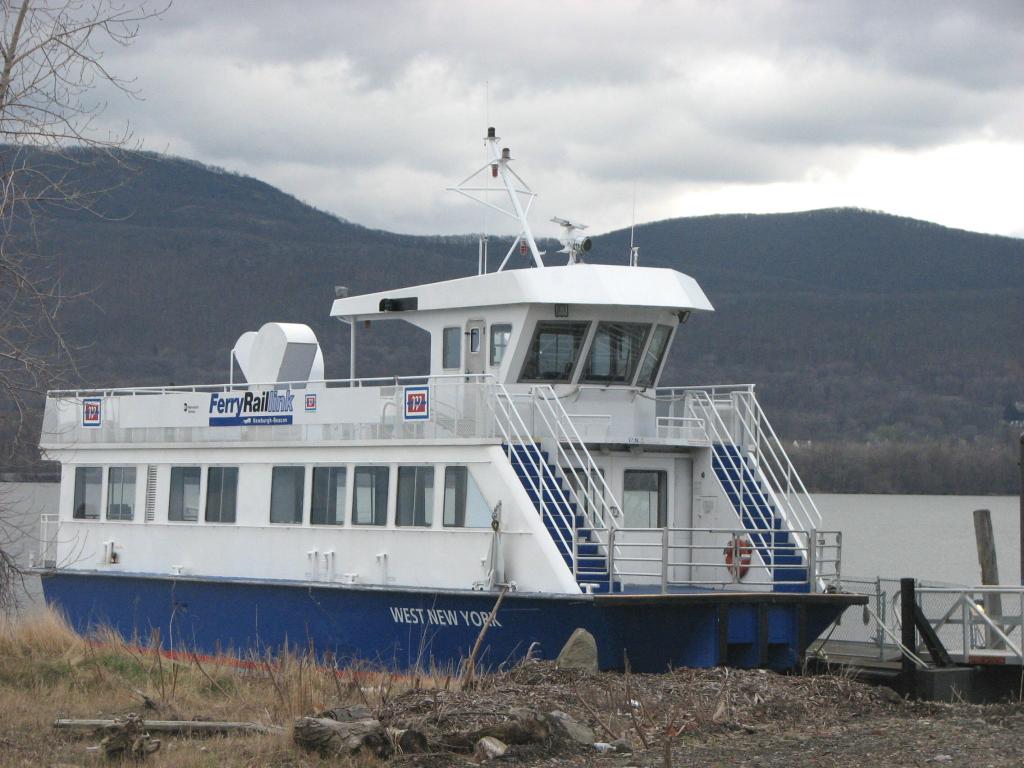
BEACON — And now for something ferry different.
Supporters of the discontinued Newburgh-Beacon Ferry hope a privately backed pilot service can persuade state officials that the Hudson River deserves another crossing — even as New York has doubled down on buses, rather than boats, as the backbone of cross-river transit.
Save The Ferry, a grassroots coalition advocating for the return of ferry service between the two mid-Hudson cities, announced in May that it was pursuing a pilot ferry service that could launch later this summer and operate into the fall. The Orange County Industrial Development Agency has since pledged $100,000 toward the effort, and organizers are seeking matching support from Dutchess County economic development officials and private sponsors to bring the project across the finish line. (Newburgh, the more-struggling of the two communities, is in Orange County. Beacon is in Dutchess County.)
The MTA suspended ferry service in 2025 citing deteriorating dock infrastructure, declining ridership and rising operating costs. But the ferry’s closure did not mark the end of cross-river transit investment.
Instead, Gov. Hochul announced a sweeping expansion of the Newburgh-Beacon Bridge Shuttle, increasing weekday service from 41 to 65 daily trips, more than doubling the number of connections to Metro-North trains from 25 to 54, adding direct service to Stewart International Airport and making rides free through the end of 2026. State officials described the enhanced bus network as a more reliable way to connect Orange County residents to Metro-North while improving regional mobility.
The proposed ferry pilot is making a different argument.
Rather than recreating the former commuter ferry, organizers hope to demonstrate that a smaller, weekend-focused service can succeed as a transportation link connecting two growing riverfront communities while supporting tourism, small businesses and recreation throughout the Mid-Hudson Valley.
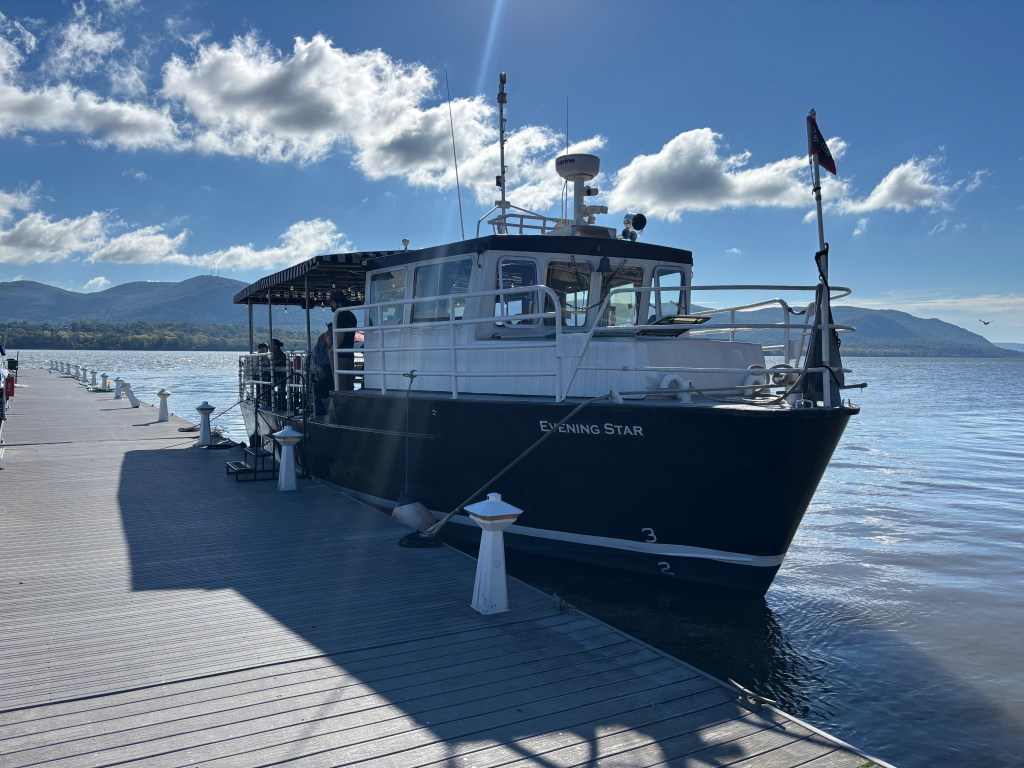
Under the proposal, New York Boat Company would operate a 50-passenger vessel between Newburgh and Beacon for approximately two months, charging passengers $1 to $2 while managing reservations and generating reliable ridership data. Unlike the former MTA ferry, the pilot would focus on weekend travel during the region’s busiest tourism season rather than weekday commuter trips.
“We have always wanted to have a weekend ferry system,” Save The Ferry campaign organizer Naomi Hersson-Ringskog told Streetsblog. “We want to evaluate the pilot in terms of what is the demand for a weekend ferry. Does this increase tourism to Bannerman Castle, Storm King and other sites? We want to evaluate what people do when you have a ferry connection. Are there repeat visitors? Is it mainly locals, or is it also visitors?”
That information, organizers say, could become their strongest argument for restoring permanent ferry service.
Rather than relying on anecdotes from residents who miss the ferry, the coalition hopes to collect hard data on how people actually use the crossing — whether to visit waterfront restaurants, reach hiking trails, attend community events or travel between the two cities. Organizers believe those travel patterns were never fully reflected when the MTA evaluated the ferry primarily as an extension of Metro-North’s commuter rail network.
“If this is successful in terms of metrics, then this is something that we can position for next year, whether it is through the MTA or the governor or the county,” Hersson-Ringskog said.
The MTA declined to comment on how it viewed the proposed pilot.
However, the governor’s office, in an unrelated statement late last week, shared that it wanted to double down on the bus alternative.
“We’ve heard from residents on the west side of the Hudson River about their limited public transit options and in 2026 we are changing that,” Hochul said. “In January, we expanded weekday bus service and now I am proud to announce that based on how successful the expanded service has been, we are adding enhanced weekend and holiday service.”
The coalition’s proposal reflects a broader disagreement over what the ferry is supposed to accomplish.
Metro-North originally operated the service as a way to carry Orange County commuters to Beacon Station. But advocates argue that the rapid growth of both waterfronts, coupled with increasing tourism and recreation in the Hudson Valley, has transformed the ferry into something much larger than a commuter shuttle.
“We’re hopeful that having a little our own skin in the game can demonstrate the value and impact, and that it becomes too compelling for the governor and MTA to look away,” Hersson-Ringskog said. “Every elected leader, whether at the local level, on the county level or on the state level, has been in favor. They understand the low ridership, but they also understand the context of that — that it was before Covid had really resolved, before all the back-to-work mandates. We’re living in a different reality from 2025.”
Supporters contend the expanded shuttle network and a restored ferry need not compete with one another. The bus system excels at connecting commuters to Metro-North throughout the week, they argue, while a ferry serves a different market: residents making local trips, visitors exploring both waterfronts and travelers who would otherwise drive across the Newburgh-Beacon Bridge.
“It means so much more than just a connection,” said Hersson-Ringskog. “We’ve heard about workforce mobility, students getting across the river, the environmental aspect of not only outdoor access but recreational access, small businesses. This is a compelling tourist amenity.”
That argument has resonated with economic development officials.
When approving its $100,000 contribution, the Orange County Industrial Development Agency described the pilot as an opportunity to strengthen regional tourism, improve waterfront connectivity and evaluate the ferry’s economic impact before pursuing a longer-term solution.
“Newburgh’s waterfront is the maritime gateway to all of Orange County,” Bill Fioravanti, CEO of the Orange County Industrial Development Agency, optimistically said in a May statement. “By improving access to both sides of the Hudson River and connecting visitors more seamlessly to our communities, we can better capture tourism demand, support small businesses, and reinforce the momentum we’re seeing in the City of Newburgh and across the county.”
Former Rep. Marc Molinaro (R-Greene County), who has also served as Dutchess County executive and Federal Transit Administration administrator, said that the MTA didn’t properly maintain the ferry after the Covid pandemic. He criticized the MTA’s larger approach, too.
“The state allows the MTA to siphon enormous revenue out of the taxpayers in the lower Hudson Valley,” Molinaro said. “A coordinated campaign to utilize the Hudson, connect communities and promote destinations isn’t too much to expect.”
The timing may also work in the coalition’s favor.
The enhanced shuttle service comes during a broader state effort to rethink transportation west of the Hudson River. The state Department of Transportation has also launched a comprehensive “west of Hudson” transit study examining long-term improvements to regional mobility, including bus service and connections to rail and ferries.
For now, however, the coalition remains focused on getting boats into the water.
Orange County’s commitment covers roughly half of the pilot’s anticipated cost, while organizers continue seeking support from Dutchess County and private sponsors. Their goal is to begin service in August, allowing operations to continue through September and October—the Hudson Valley’s busiest tourism season—even if the compressed timeline limits the amount of data they can collect.
“Our fall foliage season is when people are back and people want to take day trips,” Hersson-Ringskog said. “We essentially started this at the end of March, so we’re sprinting as best as we can.”
Whether the pilot ultimately convinces the MTA to return to the ferry business remains uncertain. But organizers believe that if they can demonstrate sustained demand, and prove the crossing serves purposes extending well beyond the commuter market that originally justified the service, they can persuade state officials that ferries deserve a place alongside buses in the Hudson Valley’s transportation future.

Read More:
Streetsblog has migrated to a new comment system. New commenters can register directly in the comments section of any article. Returning commenters: your previous comments and display name have been preserved, but you'll need to reclaim your account by clicking "Forgot your password?" on the sign-in form, entering your email, and following the verification link to set a new password — this is required because passwords could not be carried over during the migration. For questions, contact tips@streetsblog.org.