State Pols Pass The Non-Controversial Part Of Hochul’s Car Insurance Reforms
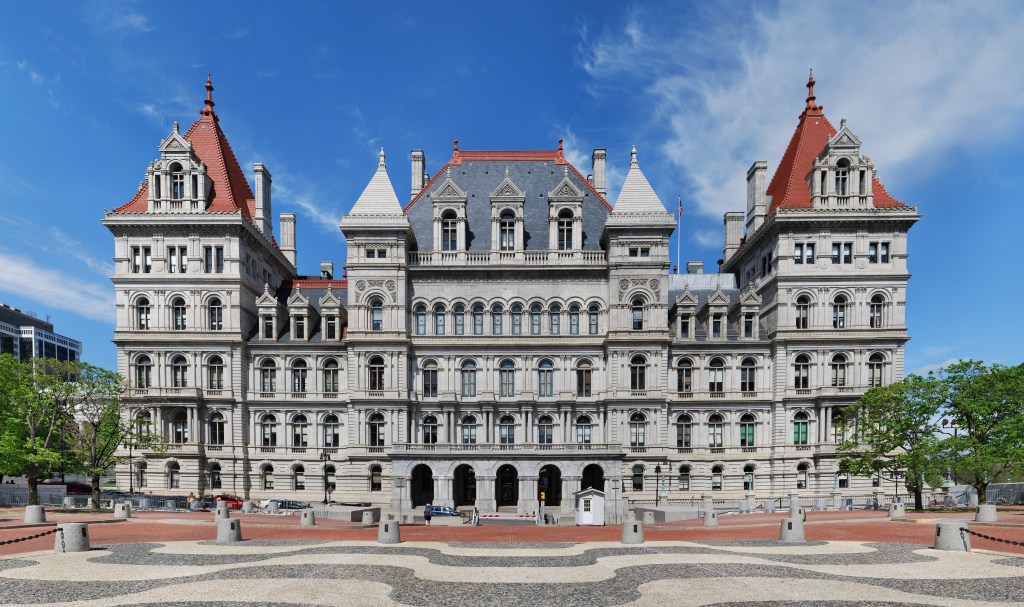
ALBANY — State lawmakers approved budget legislation on Thursday that will hinder insurers’ ability to unilaterally increase auto premiums and also limit the consumer data they can employ to set rates.
Nestled in the Public Protection and General Government bill, the third budget bill passed this session, is a provision that ends “flex rates” which previously allowed insurance companies to raise car insurance prices up to 5 percent without approval from the state Department of Financial Services.
Lawmakers also barred the use of occupation status or profession, education level obtained, homeownership status or ZIP code as permissible data points to decide a policyholder’s premium. This data can still be used to screen for possible discounts and occupational data can be used to verify whether the insurance is for personal or commercial use or to facilitate mass merchandising plans, which is when an insurer partners with an organization to provide insurance to its members or employees.
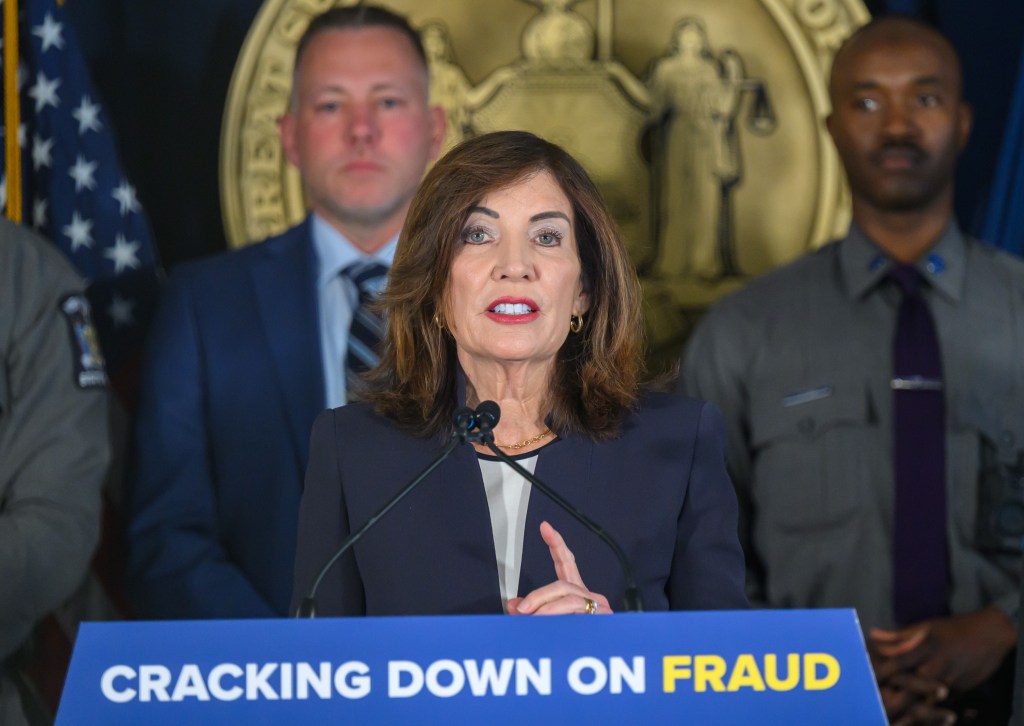
The measures were not initially included in Gov. Hochul’s executive budget, which proposed different reforms to auto insurance that lawmakers did not believe would actually save New Yorkers money or require the insurance industry to make any concessions. The provisions passed on Thursday were added during the final stages of budget negotiations.
This budget season, Hochul made car insurance her main priority on affordability, though her administration did grant insurers a 21-percent premium hike in 2024.
Lawmakers in New York City, Long Island and the lower Hudson Valley, with their high cost of living, shared Hochul’s desire to take on the insurance industry. But that’s not easy; Big Insurance is tight-lipped about its procedures, but very eager to talk about the runaway litigation and rampant fraud that is supposedly driving up their costs and justifying the high prices they charge.
Hochul, too, pushed that line — one back by Uber as part of its state-by-state effort to lower insurance rates. The problem? The supposed fraud was vastly overstated, as Streetsblog reported.
But politicians facing an election-year budget were eager to come away with something that appears to reining in the industry, hence the late additions to the budget.
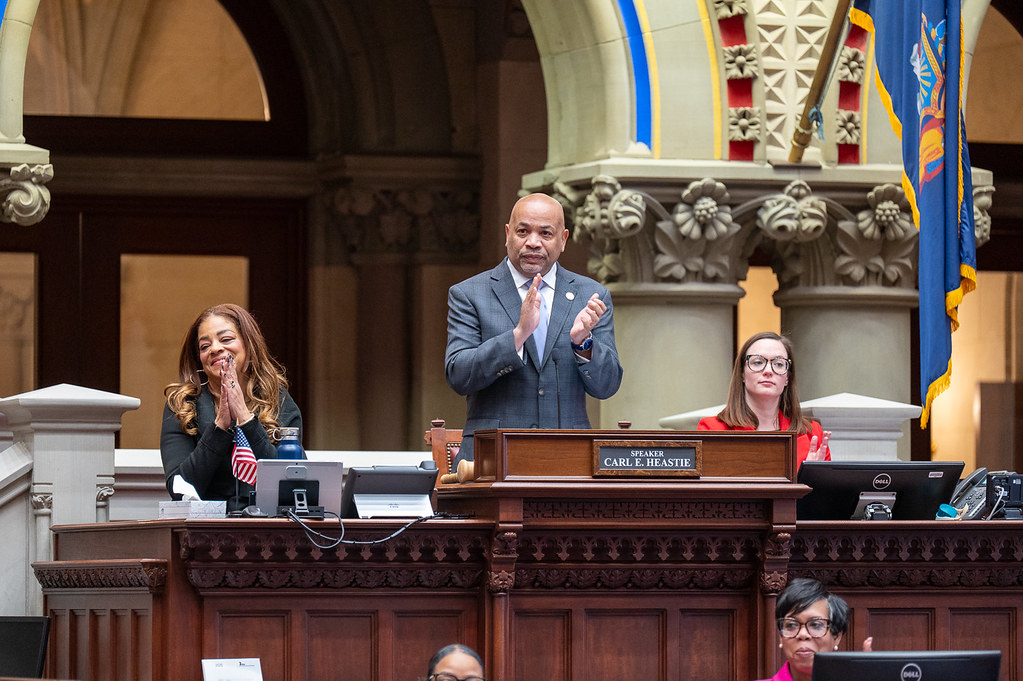
Assembly Speaker Carl Heastie (D-Bronx) said he was personally invested in the data and flex rate changes.
“That’s a big deal for me, because as the representative of the Bronx we kind of jockey back and forth with Brooklyn, and being which is the county with the highest insurance rates in the state,” he told reporters last month.
Next week, the state Legislature is expected to pass the Transportation and Economic Development budget bill, which contains the far-more-controversial changes to insurance law, some of which will deprive crash victims of their existing legal rights.
These include:
- Narrowing the state’s definition of “serious injury,” which entitles victims to seek damages for pain and suffering beyond the paltry $50,000 that no-fault insurance applies directly to medical providers and other immediate costs. Currently, the term “serious injury” includes fractures, permanent loss of an organ or member, loss of a fetus or a medically determined non-permanent injury that keeps one out of work or struggling to go through their day-to-day lives for more than 90 days. Hochul’s plan would disqualify people in that last category — which would have a dramatic effect on crash victims with traumatic brain injuries or soft tissue injuries because they don’t neatly fit the remaining definitions, according to the New York State Trial Lawyers Association.
- Changing the system so that drivers who are found at least 51 percent responsible for a crash get no compensation.
- Cap payouts for pain and suffering at $100,000 for drivers engaging in criminal behavior at the time of the incident, including uninsured motorists, drunk drivers and drivers in the act of committing a felony. Lawmakers have noted that uninsured motorists include people borrowing a car.
Hochul attempted to include changes to the state’s “joint and several liability” law — a quirk in insurance law that allows crash victims to recoup damages from a party that is less than 50-percent responsible if the main culprit does not have the assets or insurance to provide their share of the compensation to the victim. Hochul intended to end that practice, even getting the MTA to suggest it was depriving New Yorkers of transit funding because of their “unfair” inclusion in lawsuits. But lawmakers managed to get this section dropped from the final budget — also amid reporting (by Streetsblog) that joint and several was not the villain that the governor claimed it was.
Voting on budget bills will resume on Tuesday, and should the budget pass that week (knock on wood), it will be eight weeks late, the longest budget process of the governor’s tenure. State lawmakers will have just a couple of days before they adjourn the session for the year and leave Albany with only memories.
Streetsblog reached out to several insurance companies for comment without receiving a response.
This article has been updated to clarify the role of no-fault insurance.

Read More:
Streetsblog has migrated to a new comment system. New commenters can register directly in the comments section of any article. Returning commenters: your previous comments and display name have been preserved, but you'll need to reclaim your account by clicking "Forgot your password?" on the sign-in form, entering your email, and following the verification link to set a new password — this is required because passwords could not be carried over during the migration. For questions, contact tips@streetsblog.org.