State Lawmakers Pass Gov. Hochul’s ‘Stop Super Speeders’ Proposal Reining In The Most-Reckless Drivers
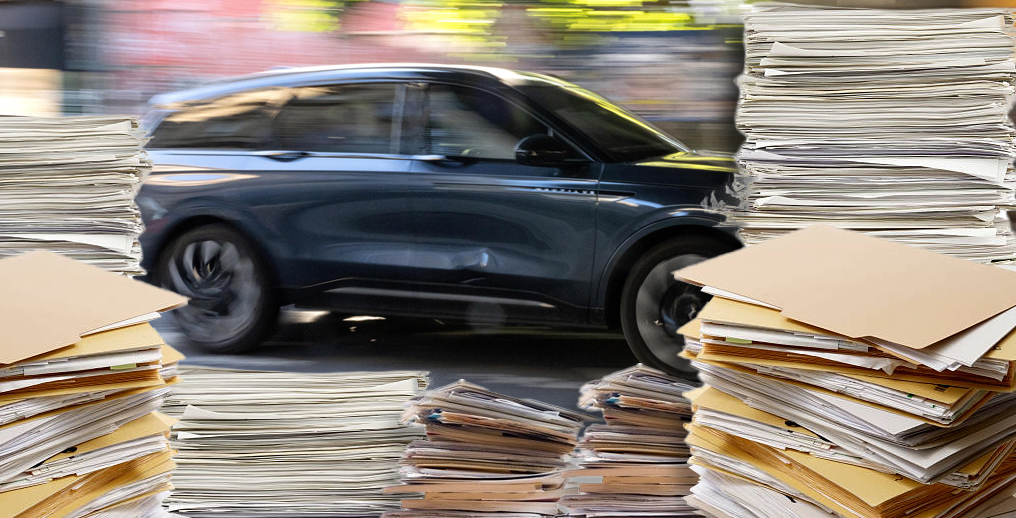
The state’s most-reckless drivers could be required to install a speed-limiting device in their cars under a version of the Stop Super Speeders Act that passed in the state budget on Tuesday — but the measure still requires the Mamdani administration to implement it in a way the truly reins in the worst-of-the-worst drivers.
The bill allows New York City to require the speed governor for the cars of traffic scofflaws who incur school zone speed camera violations 16 times or more in 12 months. The city would create and run the pilot program. First, the city Department of Transportation will send notices to offending drivers that they need to purchase and install the so-called intelligent speed assistance devices to prevent cars from exceeding the speed limit. If the drivers do not install the devices, they risk having the state Department of Motor Vehicles revoke their registration. Driving without a valid registration is a criminal misdemeanor that is punishable by fines and even jail time.
“Keeping New Yorkers safe is my highest priority and everyone, from drivers on state highways to parents walking their kids to school, deserves to get around our state safely,” Gov. Hochul said in a statement. “This year, we are taking on dangerous drivers who put everyone at risk by ending their fast and furious driving on our roads once and for all.”
In final budget language, the Intelligent Speed Assistance devices will have to remain inside the offender’s car or cars for 12 months after a first offense, but that escalates to 24 months for a second offense in 10 years, 36 months for a third offense in 15 years and a fourth offense mandates an indefinite installation.
The final legislation includes carve-outs for several classes of drivers. Vehicles owned and operated by the state, city, public agencies or political subdivisions are exempt, joining all vehicles regulated by the New York City Taxi and Limousine Commission. Commercial vehicles that are regularly used by two or more drivers are also exempt.
But drivers will also have to install the devices on all vehicles registered under their name, which would prevent the abuse of family cars or similar arrangements, and the DMV would also be allowed to deny registration changes if it suspects the sole purpose is to evade installation of the devices.
The cost of installing the intelligent speed devices, as well as the hardware itself, can easily run $1,500, so most programs have drivers rent them. In the event they still cannot afford the cost, the city will offer interest-free payment plans or even completely free devices to lower-income New Yorkers.
State lawmakers held several concerns as the final language was crafted, centering on the opaque guidelines of Hochul’s initial proposal, data privacy and rights to due process.
The bill that lawmakers passed fleshed out most of the details of the pilot program.
Data privacy is protected in the legislation by making sure that all information is encrypted and the only data being collected is relevant to a driver’s conduct. That data would also be exempted from civil and criminal discovery proceedings or in court, unless it is to check for compliance with the installation and operation of the intelligent speed assistance device. Third-party companies can also never sell the data. The push for privacy comes as several municipalities in New York rethink their license plate reader agreements after it was revealed immigration enforcement has access to the information.
Drivers who are sent a notice asking them to install the devices will have the ability to contest the order in court.
It’s unclear, however, what will happen if a police officer pulls over a driver who is supposed to have a speed-control device on this car, but does not, as Streetsblog has pointed out. Will the officer know that the driver has indeed been ordered to have the device installed?
The debate about repeatedly reckless drivers was jump-started last month when Streetsblog reported that Staten Island cop James Giovansanti notched 547 speed-camera and red-light violations since 2022. If the Stop Super Speeders provision had been in place years ago, Giovansanti’s truck would not have been able to exceed the speed limit in school zones roughly a month after he bought it.
He would not be prevented from driving and, in fact, would save tens of thousands on tickets because of the device.
Roughly 15,000 drivers are similarly endangering their communities, yet getting the proposal across the finish line was an uphill battle.
Under the original legislation from Sen. Andrew Gounardes (D-Brooklyn) and Assembly Member Emily Gallagher (D-Brooklyn), speed-limiting devices could be ordered for drivers who had received six speed or red-light camera tickets during a 12-month period.
That bill would have affected about 150,000 drivers statewide, but that number was cut to fewer than 18,000 during negotiations last year, when the bill was amended to apply only to motorists who had been caught on speed cameras 16 times (the red-light tickets were excluded).
But the final passage, even in watered-down form, was welcomed by the grieving parents and family members of those killed by traffic violence.
“We come from an era that, even back in the day in the 90s and the 80s, where kids come outside and play hopscotch and ball right on the sidewalks and stuff, right?” said Famalies for Safe Streets member Nickya Whittington. “Kids can’t do that anymore.”

Read More:
Streetsblog has migrated to a new comment system. New commenters can register directly in the comments section of any article. Returning commenters: your previous comments and display name have been preserved, but you'll need to reclaim your account by clicking "Forgot your password?" on the sign-in form, entering your email, and following the verification link to set a new password — this is required because passwords could not be carried over during the migration. For questions, contact tips@streetsblog.org.